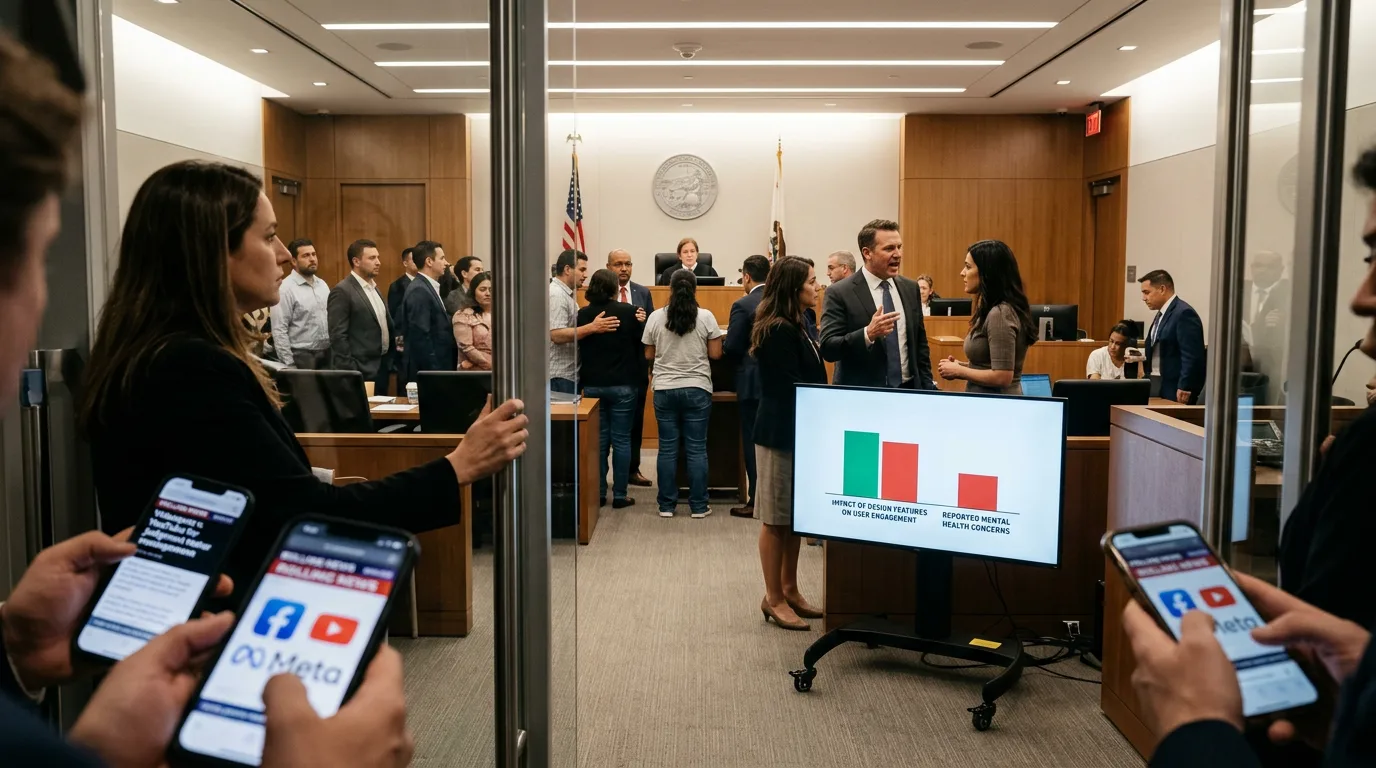
A Los Angeles jury delivered a landmark verdict that could fundamentally change how social media platforms operate and how communication professionals work. Meta and YouTube were found responsible for designing products that harm the mental health of young users. At the heart of the dispute were allegations that features like infinite scroll and autoplay are intentionally developed to induce addiction in users.
Plaintiff Alayna Velazquez and her family succeeded in court with the argument that the tech companies acted negligently and failed to adequately warn the public about the risks associated with using these platforms. The jury awarded the family $6 million in damages. This case is among the first where a court has recognized the platforms' responsibility not for the content itself, but for the technical design and mechanisms that compel users to excessive content consumption.
“This ruling creates an opportunity for tech companies to be held accountable for their products and the harms they can cause,” said Jessica Shaw, assistant professor of advertising and PR at Temple University.
According to experts, the court's decision confirms that platform design is not neutral but directly affects user behavior and health. Ben Moore from the social network BeReal points out that algorithms and engagement loops, which brands have focused on for years, are now coming under scrutiny. If a platform is optimized solely for maintaining attention, it must bear responsibility for the consequences of such a setup.
For the public relations and social media industry, this means reevaluating existing strategies. While the current ecosystem rewards 'dopamine-chasing' tactics, brands now face reputational risk. Communication teams will have to ask whether it is ethical to use tools that demonstrably harm consumers' mental health. Shaw emphasizes that organizations should start considering whether their content provides value or merely forces users into aimless scrolling.
Although an immediate transformation of the entire industry is not expected due to fragmented regulation, public sentiment is changing. Trust is becoming a new measure of success, and brands will increasingly be judged by which platforms they appear on and what mechanisms they use to reach their audience.
“We built platforms to capture attention. Now we must be accountable for what that attention does to people,” Moore concluded.