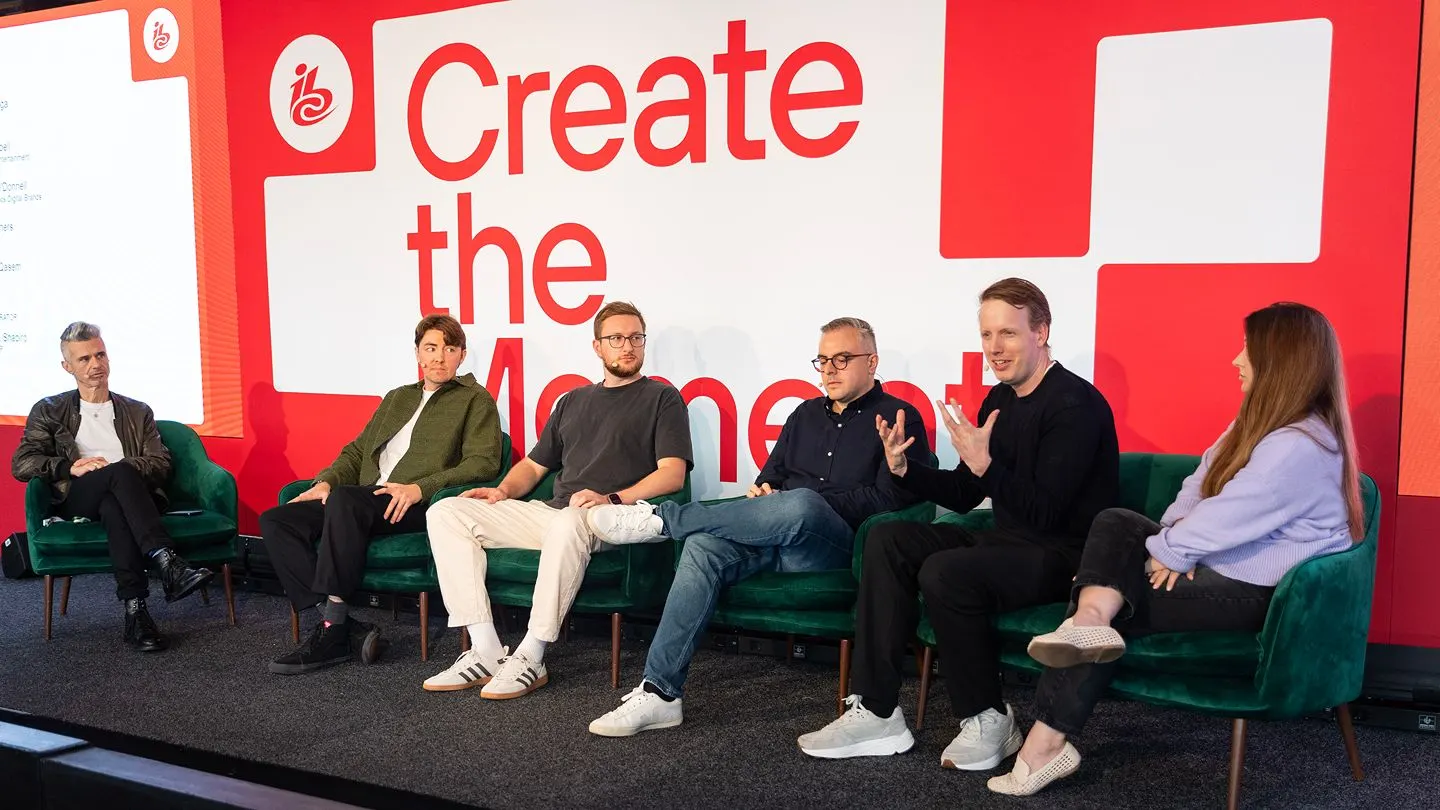
Traditional television studios and sports broadcasts are undergoing a radical transformation. While previously the peak of the value pyramid was the live broadcast of the match itself, today viewers' attention is shifting backstage and to authentic individual stories. At the IBC 2026 conference, representatives of technology giants and traditional media agreed that the era when the creator economy was just a supplementary show has definitively ended.
The balance of power in media is now shifting towards individuals who control both the production and distribution of content.
When Fans Become Producers
The paradigm shift is most evident in projects that started as a hobby. Sidemen Entertainment is a prime example. As Tim Haubeil, Channel Director of the company, stated, the group evolved from a “bunch of friends making YouTube videos” into a full-fledged production company with 70 employees. Today, this entity not only delivers short clips but produces long-form shows, organizes live events, and secures commissions for platforms like Netflix.
According to Haubeil, the key to success is creative freedom, which directly correlates with better performance and conversion. Creators know their audience better than anyone else and can deliver content that resonates with them. Sami Qasem from the streaming service Tubi confirms this trend, stating that creators are taking on the roles of directors, screenwriters, and producers, and consistently retaining ownership of their intellectual property (IP).
Inversion of Values in Sports Broadcasting
In live sports, something Will Pithers from Meta calls an “inversion of the value pyramid” is occurring. Historically, the most important element was the match itself, but this structure has been overturned. Today, athletes themselves hold the greatest power, offering intimacy and a behind-the-scenes look through social media, things that traditional television coverage cannot provide.
Platform representatives on the panel defined several key factors why creators are winning over corporations:
- Authenticity over scale — Viewers prefer raw and unpolished content over perfect production.
- Strong concepts — Repeatable formats, such as street interviews on Snapchat, build strong communities.
- Fandom knowledge — Creators know exactly what tone of voice their community expects.
- Ownership of rights — Holding IP motivates creators to fully commit to every project.
The next decade will define broadcasting more deeply than the advent of television; if broadcasters don’t grasp it, YouTube will devour them.
BBC and Netflix Change Strategy
Even traditional institutions like BBC Studios are not lagging. Helen O’Donnell, who oversees more than 150 social accounts for brands like Bluey or Doctor Who, stated that creators are now central to BBC’s digital strategy. The company is even increasingly hiring influencers and fans as permanent employees for social editor positions because they have a “trained muscle” for storytelling.
Netflix is not far behind. Anna Mallett, VP Production for EMEA, announced the expansion of the Media Production Suite (MPS) toolkit for external partners. This move aims to facilitate collaboration with technology suppliers and production companies in over 50 countries where Netflix currently operates. The goal is to provide creators with smart tools that enable them to scale their vision more effectively.
“The power balance now lies with the individual.”
The Future of Major Events
While the creator economy relies on micro-segments, traditional broadcasting is preparing for its biggest test yet. Olympic Broadcasting Services CEO Yiannis Exarchos warned at the conference that traditional models will not suffice for the upcoming Olympic Games in Los Angeles 2028. LA28 is set to be the largest broadcasting operation in history, requiring a transition from merely delivering images to advanced semantic intelligence and new protocols like Delta Protocol.
Even with such gigantic events, the human factor remains crucial. Although artificial intelligence is reshaping editorial and operational procedures, leaders from Australia’s ABC and OBS insist that human judgment must remain at the core. The question for the coming years remains whether traditional broadcasters will manage to integrate the authenticity of independent creators before platforms like YouTube completely dominate the audience attention market.