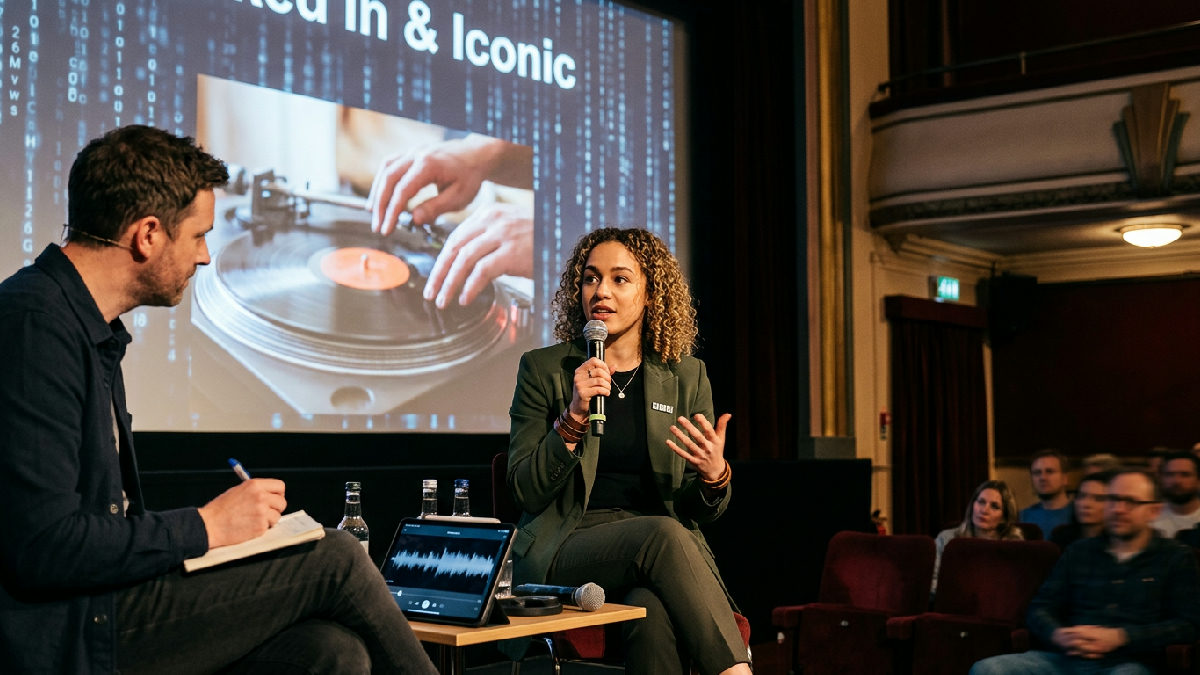
In an era saturated with AI-generated content and endless algorithms, a fundamental shift is occurring in marketing. While the last decade was dominated by the pursuit of maximum reach and quantity, current trends suggest that personal taste and curation are becoming the new competitive advantage. This shift was the main topic of discussion at London's Rio Cinema, where experts from the music, sports, and media industries analyzed the decline of traditional metrics of popularity.
The current market suffers from an overabundance of content, which paradoxically leads to a devaluation of attention. According to speakers at the “Inked in & Iconic” event, attention is no longer a rare commodity – the ability to distinguish quality and have the courage to promote it regardless of data is. “Instead of trying to interrupt what people are interested in, become what they are interested in,” said marketing consultant James Kirkham. The problem for many brands, however, is that they rely on misleading signals and metrics that separate popularity from true quality.
In the music industry, this discrepancy is most evident. Sarah Story, DJ and BBC Radio presenter, pointed out a trend where music labels use influencers to promote songs that “blow up” on social media but lack lasting value. “We are getting to a state where attention and quality no longer mean the same thing,” Story said, adding that when choosing music, she deliberately ignores numbers and relies solely on her own instincts and whether a track works in a real club environment.
“While brands used to be built to provide value, services, or play a role in society, today they are built primarily to sell. This depth has completely disappeared.”
Some progressive companies are already reacting to this trend. Sports startup Veo, for example, entrusts the management of its TikTok to seventeen-year-olds, which has earned it 26 million organic views. Instead of expensive campaigns, the brand focuses on finding exceptional moments in amateur football. Success today requires “reputational skin in the game” – the courage to go against industrial logic and bet on things that are authentic, even if there is a risk of failure.
The return to authenticity is also confirmed by hard market data: vinyl sales are growing, print magazines are seeing a 20% increase, and the younger generation is returning to analog photography. According to Charlotte Mair from The Fitting Room agency, people crave the depth that digital optimization has washed away. Brands like Netflix, Gap, or JD Sports are therefore changing their strategy – instead of trying to “break into” culture by buying media, they are trying to be an organic part of it through experiences and communities.
The discussion concluded with a warning from Sarah Boorman of Universal Music Group. She pointed out that the availability of music on platforms like Spotify (where 100,000 new songs are added weekly) is not the same as a genuine experience. Building a relationship between people and culture cannot be replicated purely through analytical tools and budget optimization. The future of marketing thus probably belongs to those who can offer a clear and high-quality curated selection in the digital chaos.