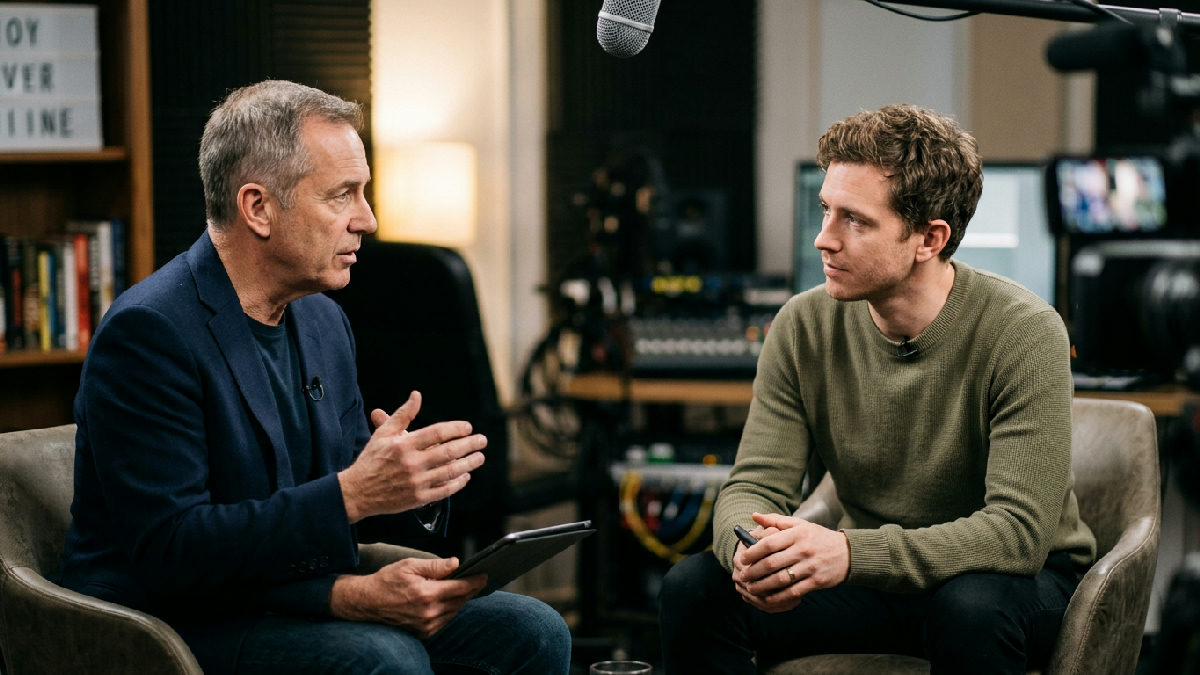
The debate about the boundary between journalism and marketing intensified after a popular internet creator published an interview with Mark Zuckerberg concurrently with promoting Meta's new AI glasses. Although the creator denied financial compensation, experts point out that exclusive access to the company's top management has become a new form of payment. This trend, according to experts, fundamentally changes the rules of the game in PR and communication.
End of the era of independent reviews
Dami Oyefeso, founder of Agile PR agency and former member of Meta's communication team, notes that the category of earned media (unpaid publicity) practically disappears in the case of influencers. While ten years ago YouTubers received products for review under embargo, today they are an integral part of corporate campaigns. “Access to executives is no longer just a journalistic privilege; it has become a marketing asset,” says Oyefeso.
Current practices at large technology companies show signs of a hybrid model that communication teams have not yet precisely defined. The main problematic points include:
- Coordinated delivery of key messages (messaging).
- Exclusive time with CEOs, which was previously reserved for the business press.
- Gifting products to creators with the expectation of a positive output.
Risks for companies and the public
According to Oyefeso, avoiding traditional media in favor of creators for controversial technologies is a disservice to the public and the product itself. Critical questions from experienced journalists help build long-term trust and clarify ambiguities, which “friendly” interviews with influencers often lack. “Communication professionals should not fear scrutiny; they should prepare their leaders for it,” adds the expert.
“If a brand offers exclusive access and distribution opportunities, the relationship has evolved from a media opportunity into a partnership. Companies should not hesitate to clearly acknowledge these partnerships,” concludes Oyefeso.
Finally, the expert appeals to creators not to be afraid to negotiate financial compensation for the value they bring to brands, and at the same time to consistently label the nature of their cooperation. Only a transparent approach can protect content integrity and maintain audience trust in the digital age.