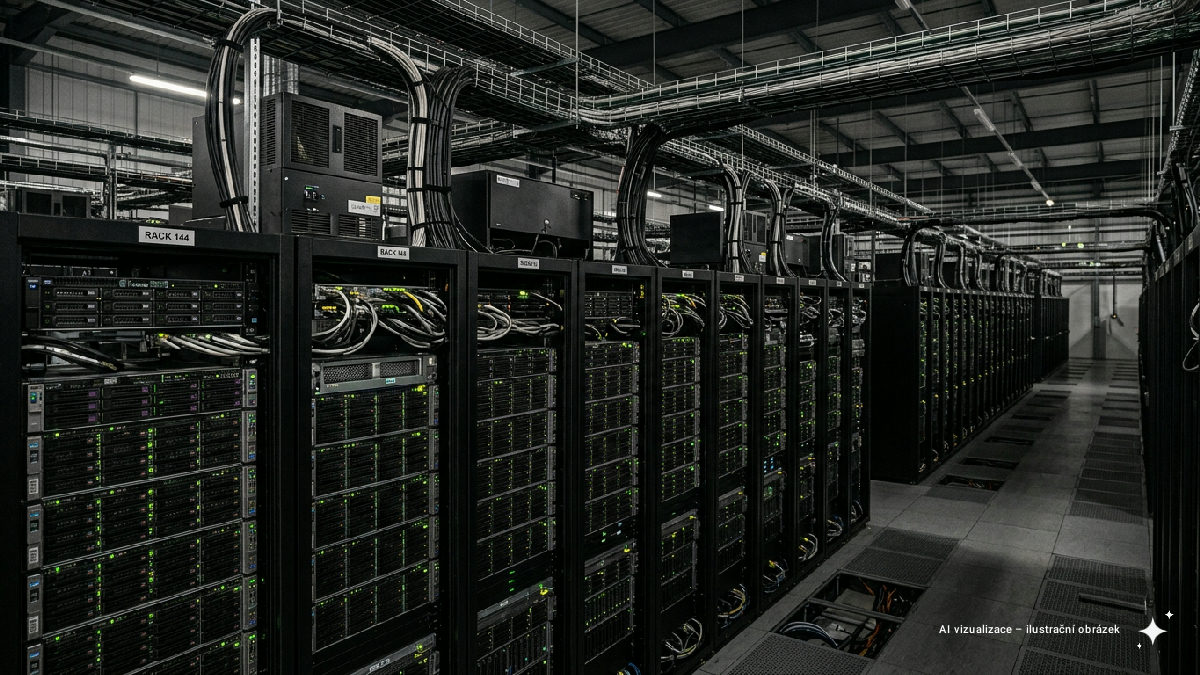
When plans for colossal technology complexes began to emerge in Buckinghamshire and Bedfordshire, few anticipated that their environmental impact would overshadow even the biggest players in the oil industry. However, a recent analysis by the non-profit group Foxglove reveals an alarming reality: two planned data centres in England, once fully operational, could produce more than 4.5 million tonnes of carbon emissions annually.
This volume of carbon emitted is not negligible, even on a global scale. The projected emissions from these two facilities would exceed the 3.9 million tonnes attributed to fossil fuel company ExxonMobil's operations in the UK in 2023. The development of digital infrastructure, primarily driven by the hunger for computing power for artificial intelligence, is thus becoming a new challenge for the UK's climate commitments.
The projected centres in Buckinghamshire and Bedfordshire will produce more emissions than the UK operations of oil giant ExxonMobil in 2023.
Enormous Burden on the Grid
The core of the problem lies in extreme energy consumption. The Wapseys Wood facility in Buckinghamshire and Quest Park in Bedfordshire will require a combined input of 1.3 GW of electricity to operate. Such consumption places immense pressure on the national infrastructure, which is already struggling with a lack of capacity to connect new large consumers.
The situation across the entire sector is even more critical than these two specific cases suggest. The data centre sector in Britain is experiencing an unprecedented boom, which is hitting the technological limits of the transmission system. The current state of connecting new projects is summarized by the following facts:
Current status of UK digital infrastructure and grid:
- 315 data centres — the total number of projects currently awaiting connection to the UK electricity grid.
- 73 GW of potential demand — the total power these planned centres require from the distribution system.
- Double the winter peak — the demand from these centres represents almost double the national maximum consumption during the winter period.
Gas as an Emergency Solution
Given the long waiting times and delays in grid connection, investors are seeking alternative ways to get their centres operational. For both mentioned projects, Wapseys Wood and Quest Park, a radical step is being considered. To avoid reliance on the overloaded grid, they plan to build their own gas-fired power plants directly on-site.
It is precisely this effort for self-sufficiency through burning natural gas that is behind the high estimated emissions. The development of data centres thus comes into direct conflict with the UK's legally binding climate targets. The question remains how ambitious plans for the development of artificial intelligence and computing technology can be reconciled with the necessity to radically reduce greenhouse gas emissions.
315 data centres with a total capacity of 73 GW are currently awaiting connection to the UK electricity grid.
In addition to the energy intensity of data centres, the UK energy sector faces other challenges, such as decommissioning old infrastructures. An example is the recent decommissioning of three North Sea wells, which cost £40 million. This energy transformation raises questions about a just transition, especially for workers in the oil and gas industry who feel overlooked by the changes.
“Independent daily energy news”
A Future with an Open End
The findings by the non-profit organization Foxglove have sparked a wave of questions among experts and politicians. While demand for data continues to grow, Britain's ability to power these centres with clean energy is lagging. It is currently unknown whether the UK government will regulate emissions from these specific facilities, or whether investors will have to adjust their plans for on-site gas-fired energy production.
The timeline for when the centres in Buckinghamshire and Bedfordshire could be fully operational remains unspecified at this time and depends on further approval processes for local energy sources. What is certain is that the debate about the energy hunger of artificial intelligence and its contribution to global pollution will intensify with every planned gigawatt of power.