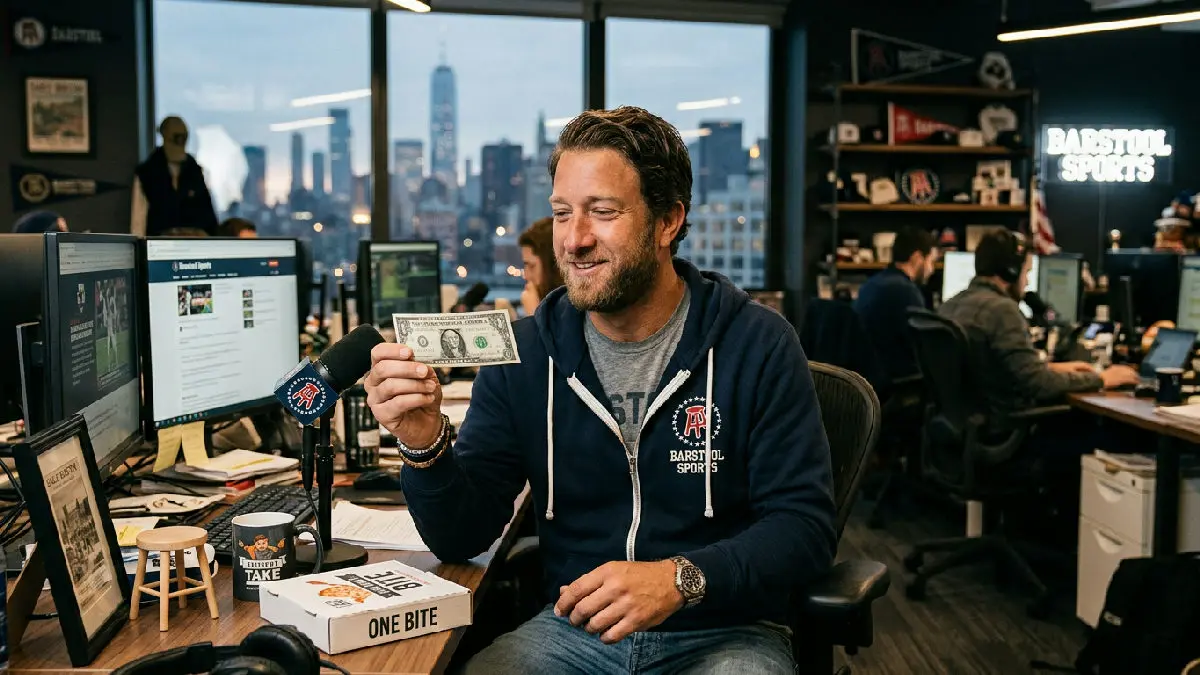
Digital media company Barstool Sports, founded in 2003 by Dave Portnoy initially as a printed gaming periodical in Boston, is returning to its founder after a series of transactions. Over two decades, the company transformed into a vast empire focusing on sports, pop culture, and comedy, engaging millions of fans primarily through podcasts and social networks. The history of this brand's ownership changes is among the most watched media deals of the last decade.
The first significant milestone occurred in 2016 when investment group The Chernin Group acquired a majority stake. This acquisition, valued at approximately $10 to $15 million, enabled the company's transformation into a digital platform and massive content development. Four years later, betting company Penn Entertainment expressed interest in Barstool Sports, buying a 36% stake in 2020 and exercising an option for the rest of the company in February 2023. At that time, the total value of the company reached approximately $551 million.
Controversy and Return to Founder
However, the association with the gambling industry proved problematic. The style of Barstool Sports' content, often balancing on the edge of controversy, complicated Penn Entertainment's efforts to obtain licenses in some U.S. states. Due to strict regulations, the owners decided on an unexpected move in August 2023: they sold the entire company back to Dave Portnoy for a symbolic one dollar. In return, Penn retained the right to 50% of the profits from any future sale.
"I will never sell Barstool Sports again," Portnoy declared after regaining 100% control of the brand.
The media house's strength lies in its broad portfolio of shows that define the current podcast market. Key titles include:
- Pardon My Take – one of the most successful sports-comedy podcasts in the USA,
- Call Her Daddy – a show that started at Barstool and later became a global phenomenon,
- One Bite pizza reviews – Dave Portnoy's viral videos, which form the face of the brand,
- Bussin' With The Boys – a popular format hosted by former NFL players.
A Model for a New Media Era
For media analysts, Barstool Sports is a textbook example of the creator economy. The company managed to build a loyal audience among young men, a segment that traditional television networks like ESPN struggle to reach. Advertisers from DraftKings to Chevy use the network as a direct channel to a target group that consumes content almost exclusively in the digital space.
However, Portnoy's return to leadership also comes with limitations. The agreement with Penn Entertainment includes a non-compete clause in sports betting, which is the price for acquiring the empire back for a fraction of its market value. The Barstool Sports case thus remains a unique example of a brand whose identity is so intertwined with its founder's personality that it lost its value for the regulated market outside of his control.