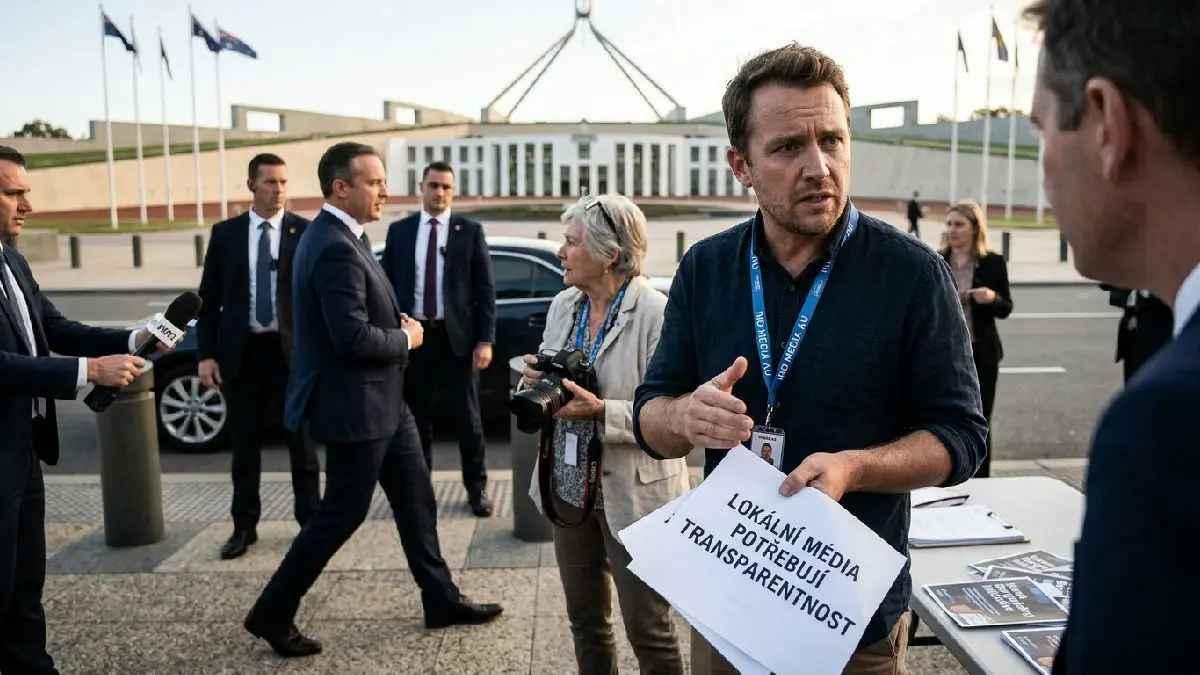
The Australian government has introduced the successor to its controversial mechanism for funding journalism. The new system, called the News Bargaining Initiative (NBI), is set to replace the existing News Media Bargaining Code, which faced criticism for its lack of transparency and ineffectiveness in negotiating with tech giants such as Google and Meta.
The original system from 2021 was based on the premise that tech companies "steal" content from publishers by displaying it in search results and on social media. The state then ordered platforms to negotiate compensation agreements with media outlets. If they failed to do so, companies faced forced arbitration. However, Meta responded to this pressure by blocking news in Australia and Canada and subsequently refused to renew existing contracts, stating that news content was dispensable for its platforms.
Critics, including Joshua Benton of Nieman Lab, point out that the main problem is not copyright but market dominance. More than 80% of all digital advertising spending in Australia goes to Google and Meta, which has created a deep deficit in the revenues of traditional publishers. Moreover, the original code was criticized for its absolute lack of transparency, with large media houses like News Corp concluding secret deals, while smaller local newsrooms were left out.
“This system was never about news theft. It was always about the platforms' dominance of the digital advertising market and the hole it left in publishers' budgets,” the analysis states.
The new News Bargaining Initiative promises some improvements, but according to experts, it still suffers from the "original sin" of the entire concept: the state tries to pretend that it is a free market decision, even though it is a political intervention in the economy. The main risk remains that without clear rules for transparency and an obligation to pay everyone regardless of size, the system will continue to favor large players at the expense of local journalism.
According to Benton, an ideal system would have to abandon the rhetoric of "compensation for links" and openly admit that it is a public regulation of the digital advertising market. This would allow governments to more effectively distribute funds where they are most needed, without having to fear retaliatory actions in the form of content blocking on social networks.