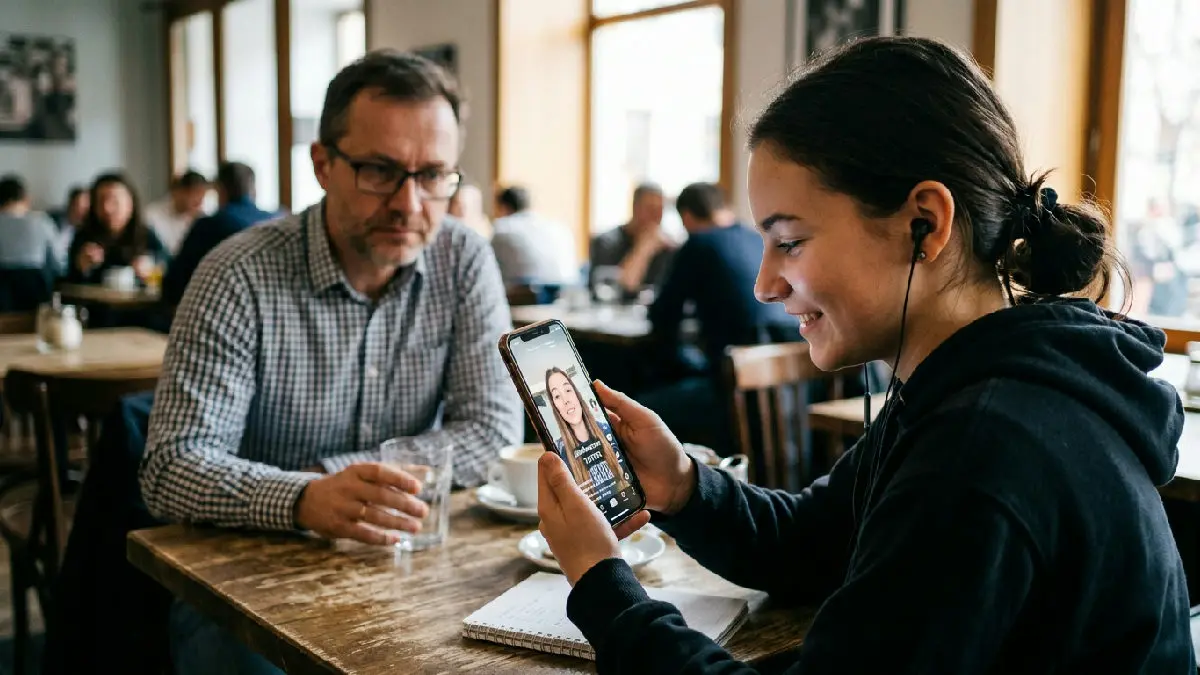
The phenomenon of rising trust in digital content over traditional authorities among emerging generations is becoming a key topic in discussions about social media. Current observations of Gen Z behavior suggest a significant shift in the priority of information sources among these young people. While parental advice is often met with reservations or outright ignored, identical recommendations presented by influencers on platforms like TikTok gain the status of unquestionable truths.
This trend highlights the crucial role of presentation style. The difference between an unsuccessful parental appeal and a successful influencer message lies, according to analysts, in audio-visual processing and content dynamics. Elements like quality editing, popular background music, and community-specific language can transform ordinary advice into an attractive lifestyle. For Gen Z, it's not just the content of the message that matters, but primarily the context and platform through which the information reaches them.
Social media is thus ceasing to be merely a source of entertainment and is becoming a primary ethical and educational compass. The traditional hierarchy of authority, where family or educational institutions held the main say, is being replaced by the horizontal structure of the digital world. In this world, a “random” influencer often carries more weight than long-term family ties, if they can package their message in a format that meets the aesthetic standards of that particular social network.
“If a parent says, 'don't do it, it's bad for you,' most Gen Z kids ignore it. But once an influencer says the same thing with good editing and music, it becomes life advice,” according to discussions on the Reddit platform, reflecting users' daily experiences.
This mechanism points to a growing communication gap between generations. Parents grapple with the fact that their experiences are devalued in the digital age in favor of content curated by algorithms and optimized for immediate attention-grabbing.
In the long run, this development also indicates changes in purchasing and social behavior. Marketing experts and sociologists are therefore increasingly emphasizing the need to understand the psychology of these platforms. To successfully communicate with Gen Z, one must approach the aesthetics and dynamics that these children and young adults consume daily on their smartphones.