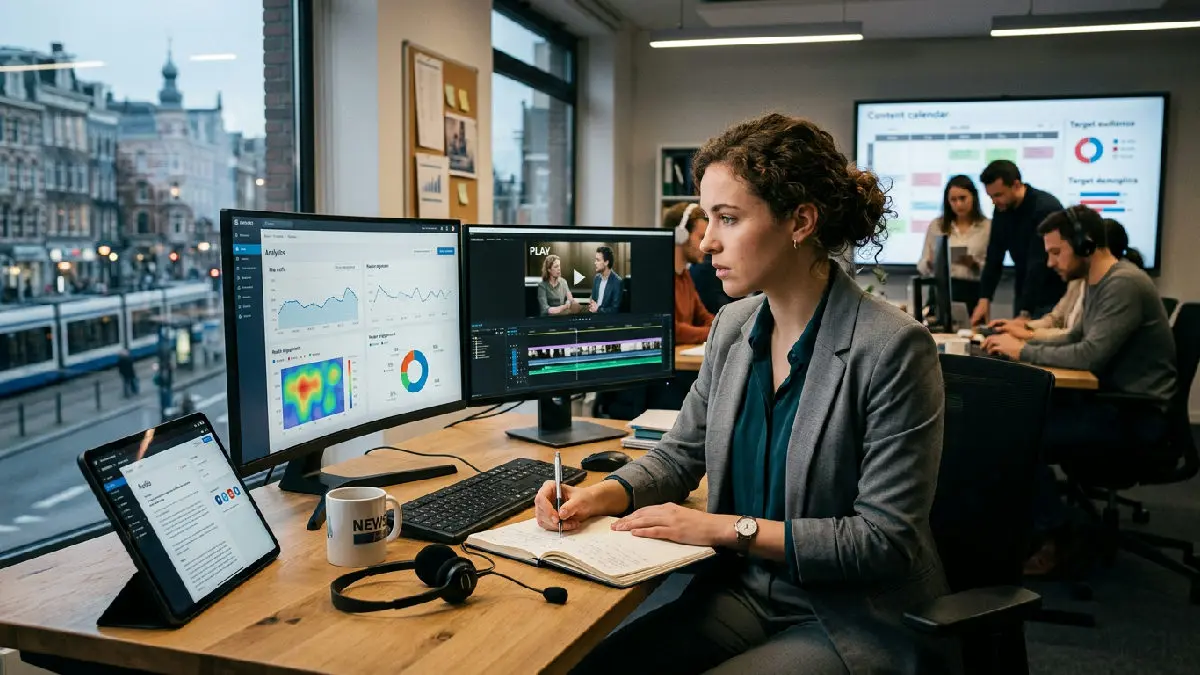
Working in a modern newsroom requires more than just the ability to write engaging texts. With the transformation of the media market, the demands on applicants for journalistic positions are also changing. Danielle Lavin, Head of Talent Acquisition for Editorial at Reach plc, one of the largest publishers in the UK, described the current trends and expectations that recruiters are encountering today.
According to Lavin, traditional journalistic skills and reporting ability remain fundamental to success, but these alone are no longer sufficient. Publishing houses are diversifying their activities and looking for people with an overlap into other areas. Highly valued transferable skills now include experience with subscription models, video, audio, building reader communities (engagement), audience growth, and affiliate marketing. It's not just about being able to write a headline, but understanding why and where the news spreads.
In addition to craft proficiency, HR specialists emphasize a deeper awareness of how the media industry works and critical thinking. Applicants should demonstrate enthusiasm for the fast pace of newsroom work and adaptability. A key recommendation for the application process is thorough study of the job description and targeted adaptation of the resume to the given role. According to Lavin, candidates should not be deterred by potential skill gaps if they can offer a unique perspective.
“Don't let missing some skills be an obstacle. We are constantly looking for people who can bring a fresh perspective, so don't hide what makes you unique.”
An essential part of interview preparation is knowledge of the specific publication the applicant is aiming for. Lavin emphasizes that a candidate must know the medium's tone, its audience, and its values. Insufficient research about the brand is considered a major blunder in a professional environment. A journalist should be an active consumer of news and be informed about current events before arriving for an interview.
Artificial intelligence (AI) is also starting to play a significant role in recruitment. At Reach plc, AI has long been used for candidate sourcing, resume analysis, and scheduling meetings. A review of processes is currently underway to determine where technology can free up human hands. The goal is for HR specialists to focus more on the human side of recruitment and provide candidates and managers with a more personalized approach, while algorithms handle administration.
,key_facts:[