The history of this delicacy stretches deep into the past, specifically to the ancient civilizations of Mesoamerica. The indigenous inhabitants of the areas of present-day Mexico and Central America, especially the Mayans and Aztecs, consumed chocolate in the form of a bitter drink with spices. Cocoa beans only reached Europe in the 16th century, and over time, what was once a luxury item for nobility became a global phenomenon, now accessible to almost every consumer.
Production and the Ethical Dimension of the Industry
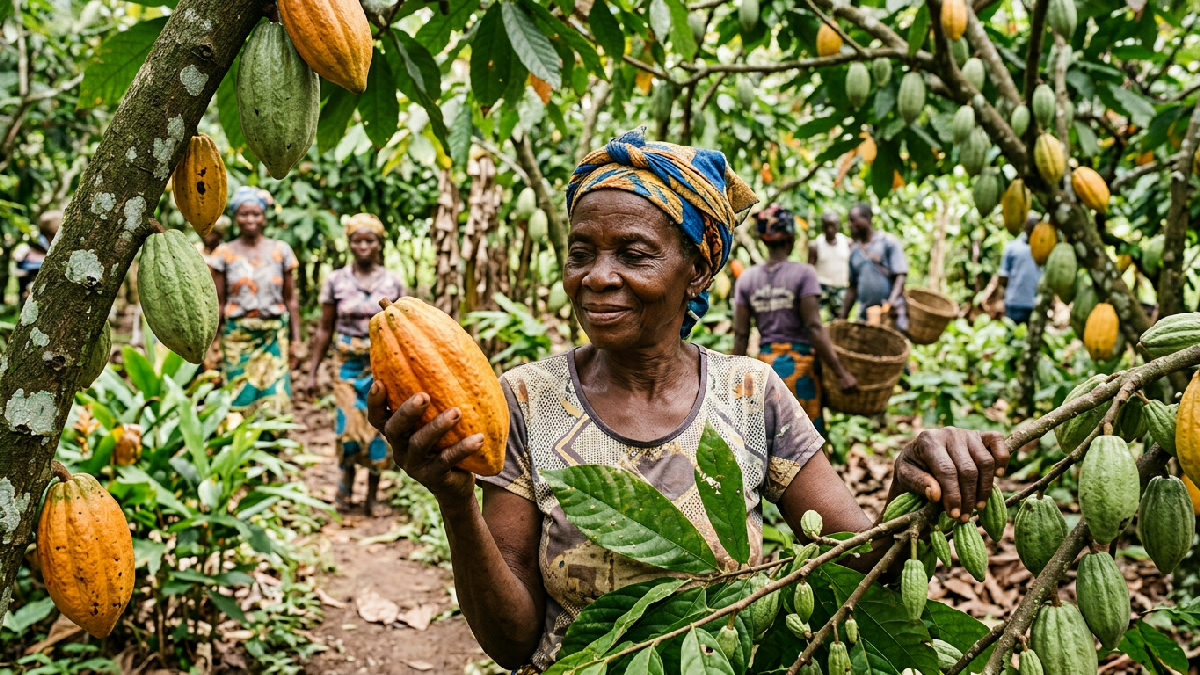
Current chocolate production faces many challenges that extend beyond the cocoa bean processing itself. In recent years, experts and non-profit organizations have increasingly highlighted the ethical aspects of production, including working conditions on plantations and agricultural sustainability. The majority of the world's cocoa production comes from West Africa, where farmers struggle with the impacts of climate change and unstable raw material prices.
When buying chocolate, consumers can use several key factors to guide them in determining the final quality and environmental impact:
- Cocoa solids content (for quality dark chocolate, it should exceed 70%).
- Certification of origin and fair trade (e.g., Fairtrade or Rainforest Alliance).
- Ingredients without excess vegetable fats and artificial flavors.
- Origin of beans, with specialty chocolates often coming from specific plantations.
A Day Dedicated to Education and Gastronomy
World Chocolate Day is not only for increased confectionery consumption but is also an opportunity to educate about its impact on human health. Quality chocolate with a high cocoa content is a known source of antioxidants and flavonoids, which can have a positive effect on the cardiovascular system. However, experts warn that the key to positive effects is moderate consumption of products with low added sugar content.
“It’s an ideal opportunity to savor a piece of your favorite chocolate, discover new flavors, or learn more about its origin and ethical aspects of production,” gastronomical historians state regarding the significance of today's day.
Celebrations take place worldwide in the form of tastings, special workshops in chocolateries, and regional festivals. The goal is to remind us that behind every chocolate bar lies a complex supply chain that requires precise work from harvesting the beans to the final tempering in production facilities.