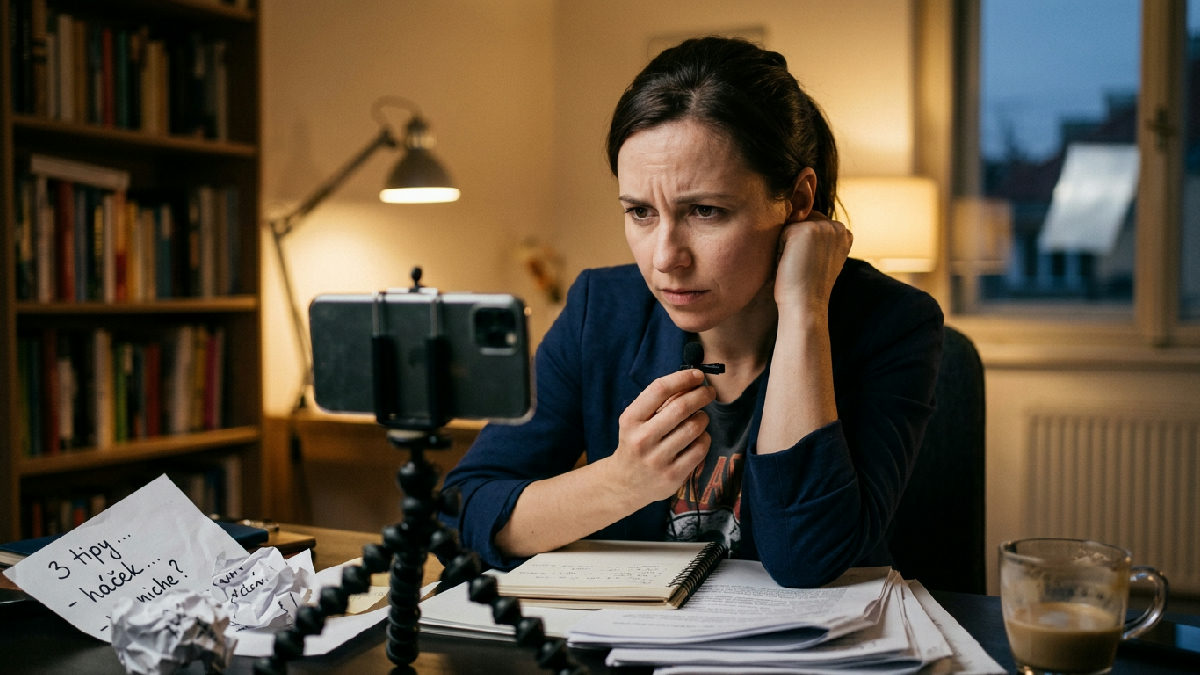
For many creators, generating content on TikTok is transforming from random posting into a discipline aimed at building a personal brand. A current case study from discussion forums highlights a common problem: a creator attempts to transition from static posts to spoken word (the so-called "talking head" format) but encounters low audience engagement. The goal in this case is not to follow short-term trends, but to create a recognizable and reproducible format based on the speaker's authority.
Creators striving for serious brand building often hit a barrier between informational value and entertainment. According to an analysis of their own content, the user identified several critical areas that can hinder channel growth. These primarily include insufficiently strong hooks at the beginning of videos and an overemphasis on simply conveying information without incorporating elements of storytelling. Storytelling, in particular, is crucial in the TikTok algorithm for maintaining attention in longer videos where the talking head doesn't dominate with visual effects.
Strategies for improving content, which creators are now relying on, include testing proven structures like "three tips for achieving XYZ." This format promises higher retention (viewer retention) because the viewer knows from the start what to expect and how much time watching will take. In addition to structure, the debate also revolves around pacing and clearly defining the niche in which the channel operates. Too broad a focus can confuse the algorithm and prevent content from reaching the relevant audience.
Before extensive content production and bulk recording, experts recommend reviewing existing material. The creator asks:
"Is it my hooks? Pace? Or maybe the whole niche? I want my content to be recognizable as a personal brand and independent of trends, but something isn't working as it should right now."
This approach reflects a broader trend on social media, where attention is shifting from quantity to quality and strategic content planning. Instead of random experimentation, users seek feedback on format and structure even before investing time in post-production. For success on the TikTok platform in 2024, it is crucial to combine the authenticity of personal expression with strict rules for maintaining attention in the first three seconds of a video.