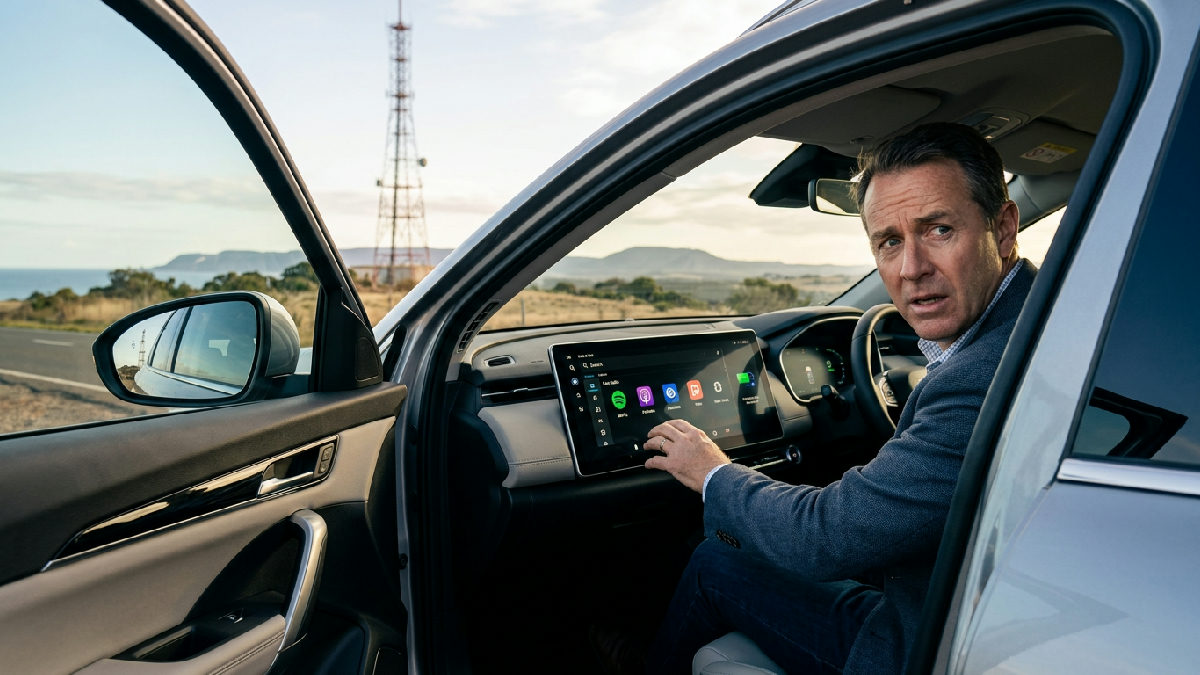
The advent of electromobility poses a fundamental challenge for radio broadcasting in Australia. Lizzie Young, CEO of the Commercial Radio and Audio (CRA) association, highlighted at the WorldDAB Automotive 2026 conference in Frankfurt, Germany, that radio's dominance in cars is genuinely threatened for the first time in history. The reason lies in the specific design and technological setup of new electric vehicles, which often prioritize their own software solutions over traditional broadcasting.
Australia has seen a record increase in interest in electric vehicles (EVs) over the past year. According to Young, this trend is primarily driven by high fuel prices influenced by geopolitical conflicts. “In May, for the first time ever, the best-selling car in Australia was an electric vehicle,” said the CRA CEO. The rapid transformation of the market is forcing local broadcasters to aggressively advocate for their presence on the dashboards of new cars.
A key argument for retaining radio in cars remains safety. Given Australia's size, a hybrid approach combining AM, FM, DAB+ standard, and internet streaming is essential for informing the public. This is particularly critical in emergency situations, such as natural disasters, when residents evacuate in their vehicles.
“As many Australians move from areas affected by climate disasters in their vehicles, it is absolutely essential that we have robust emergency broadcasting capabilities in cars,” Young emphasized.
The Australian radio sector is also responding to technological changes with its own investments. The unified mobile application, RadioApp, which includes both commercial and public broadcasters, has undergone a complete redesign. Simultaneously, the CRA association has formed strategic partnerships with technology companies such as DTS AutoStage, RadioPlayer, and Visteon over the past year to ensure easy discoverability of radio content in modern in-car systems.
Parallel to technological development, a political battle is also ongoing. The association is striving for the Australian government to include radio in legislation concerning smart speakers and digital platforms. Although the original March deadline for the legislative review was postponed, Young expects that the bill will be ready in the second half of this year. The goal of Australian broadcasters is not to rely on historical privileges but to create functional partnerships with car manufacturers and policymakers for the benefit of consumers.