A new chapter in digital broadcasting is beginning in Poland. While analogue VHF/FM frequencies across the country are virtually exhausted, local regulator UKE (Office of Electronic Communications) has just concluded a crucial phase of market consultations. The focus is on unused capacity in the DAB+ band, set to open doors for both nationwide broadcasters and niche local stations.
According to the current frequency management plan for the 174–230 MHz band, a substantial amount of spectrum remains available for distribution. This presents an opportunity for broadcasters that have been unable to secure space on the traditional FM dial or want to reach specific audience segments with fresh formats.
Polish telecommunications authority UKE has concluded consultations on the allocation of two nationwide and 17 local multiplexes for DAB+ broadcasting.
Capacity for dozens of new stations
The main topic of discussion between the regulator and broadcasters centered on the direction the Polish airwaves should take in the coming years. The authority consulted the market on whether the priority should be developing nationwide networks or supporting regional broadcasting. Specifically, two nationwide multiplexes designated as MUXR1 and MUXR2, alongside 17 local multiplexes, are available.
The available capacity in Poland's DAB+ digital standard offers the following options:
Nationwide networks MUXR1 and MUXR2 — Each of these networks can accommodate up to 24 radio services.
Local multiplexes — Enable the addition of up to 12 more radio stations in certain areas.
DAB+ standard — Provides a pathway for niche formats and the growth of new radio brands.
Konrad Bródka, head of UKE's frequency department, emphasized that digital broadcasting should not be seen merely as an added distribution expense. In his view, DAB+ can help attract new listeners and create space for operators that no longer fit on FM frequencies. Currently, only a single nationwide digital multiplex operates in Poland—MUXR3, run by public broadcaster Polskie Radio.
Frequencies for new FM stations are practically depleted in Poland, leaving digital DAB+ as the only viable path for market growth.
A history of delays and political support
The road to nationwide digital broadcasting has faced numerous obstacles in Poland. Although the process began as early as 2013, plans to launch a nationwide commercial multiplex were halted in 2022. At the time, commercial broadcasters demanded clearer technical and financial conditions for the future network operator.
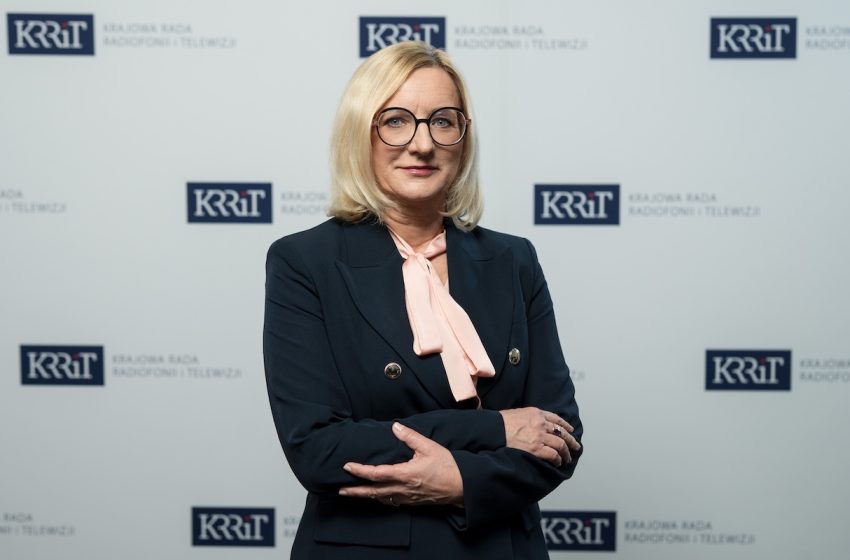
A breakthrough came in November 2025, when Agnieszka Glapiak, chairwoman of the National Broadcasting Council (KRRiT), called for work on the multiplex to resume. Glapiak backed legislative measures to govern the transition to digital terrestrial radio, providing the process with much-needed political momentum.
Future outlook and open questions
Although the consultations are now closed, regulator UKE has not yet announced a firm timetable for when the remaining multiplexes will be allocated. Furthermore, Poland still lacks a definitive date for a complete analogue FM switch-off. However, operators can already submit applications for frequency reservations.
An interesting feature of Polish law is that if only one applicant files for a specific frequency, a competitive tender is not required. The market is now waiting to see how UKE evaluates the feedback received and whether digital radio in Poland will finally be unlocked for commercial deployment.