When filmmakers were completing the final season of the popular series La Casa de Papel (Money Heist) in 2020, they encountered a technological barrier. Traditional processes resembled a relay race, where editors had to wait for VFX artists, who in turn waited for sound engineers. This very moment became the impetus for the creation of the Media Production Suite (MPS) system, which aimed to connect creators with their data, regardless of their location.
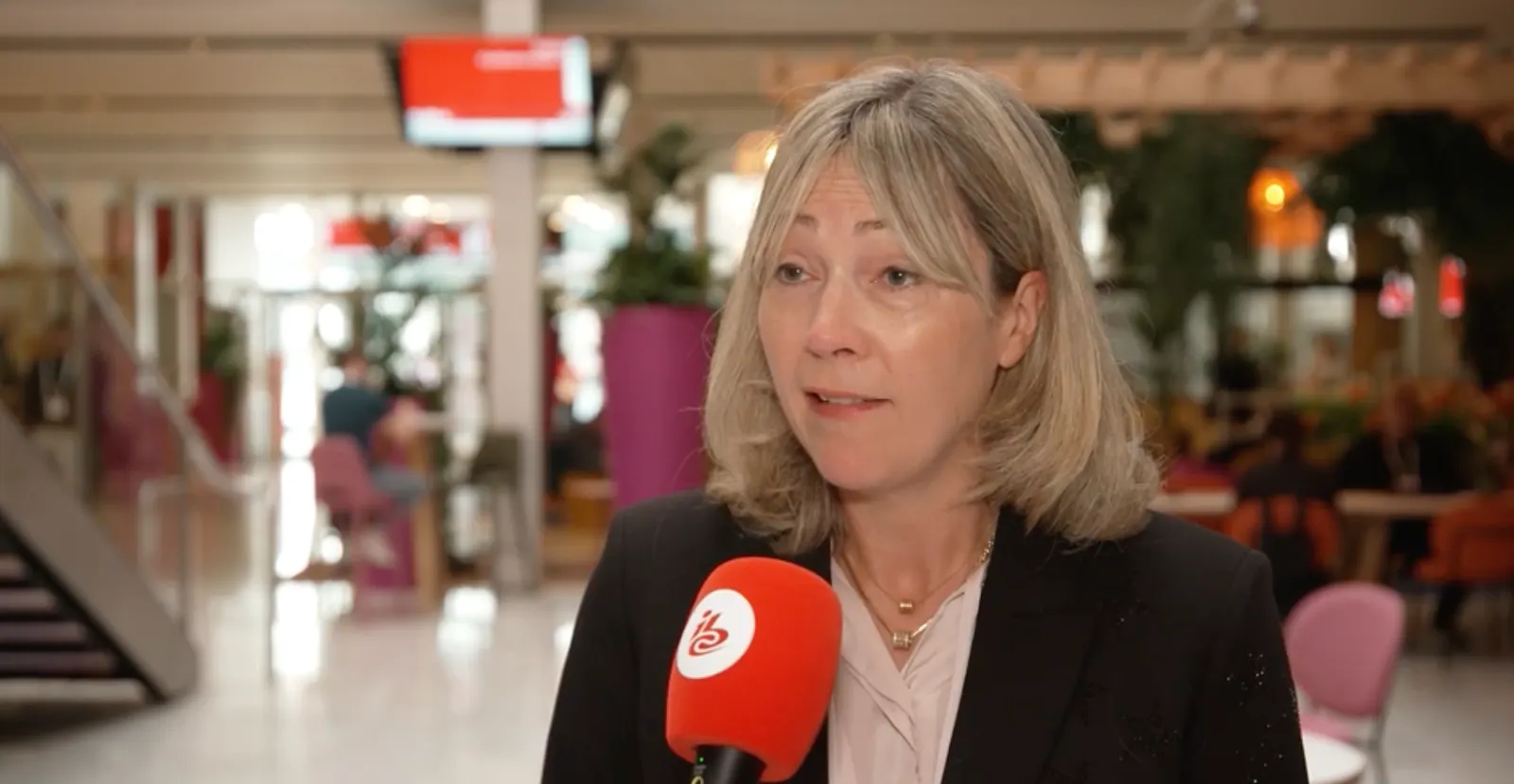
Streaming giant Netflix has now announced a fundamental change in its strategy at IBC 2026. Its internal production environment, MPS, is now being opened to third-party tools. According to Anna Mallett, VP of Production for EMEA, this is an effort to remove barriers to creativity and integrate external technologies directly into Netflix's cloud ecosystem. The company has already met with over 140 manufacturers in Amsterdam to present the platform's further development.
Netflix is opening its MPS production ecosystem to external developers to enable real-time parallel team collaboration.
The End of the Production Relay Race
Historically, film production has been a linear process. Anna Mallett pointed out that the work of hundreds of talented people is often hampered by outdated workflows. The MPS system, which Netflix developed in just three months, however, proved capable of moving almost one petabyte of data into the cloud. For the first time, this allowed editors and visual effects (VFX) teams to work concurrently, rather than sequentially.
Real results were already evident in 2023. During the filming of Society of the Snow, thanks to MPS, 60 VFX studios located in three different countries were able to collaborate simultaneously. Netflix is now seeking to extend this model to other areas of production, such as costume design, lighting pre-visualization, or virtual scene planning.
As part of integrating new technologies, Netflix is focusing on several key areas:
- Tool Library — a platform for easily integrating applications that creators already use.
- Licensing — combining Netflix's own solutions with licensed technologies from across the industry.
- Shared Innovation — joint development of solutions with technology partners instead of closed-door development.
The Rise of Artificial Intelligence and Automation
The next phase of MPS development is the deployment of artificial intelligence (AI) powered tools. These are intended to automate tasks that previously took editors and assistants hours to complete. An example is the documentary series F1: Drive to Survive, where all footage is automatically tagged and transcribed immediately after being uploaded to the cloud. This allows the team to keep pace with the action on the track, where every second counts.
Thanks to AI, Netflix can automatically identify equipment in a shot or assign dialogue to specific characters.
For the Polish drama Anestezja, Netflix demonstrated the use of third-party tools to generate concepts for operating rooms and intensive care units. These software-created designs were then manually refined. The goal is for creators to have access to “smarter tools” that free them up for the actual storytelling.
“A once-in-a-lifetime shot to reshape TV”
Global Scale and Partnerships
Netflix currently produces content in over 50 countries worldwide, and MPS is becoming the backbone of this global network. Anna Mallett emphasized that Netflix does not want to dictate to its partners what software they should use. Instead, it creates a secure environment where creators can experiment with different technologies without fear of incompatibility or data loss.
The entire shift towards an open ecosystem comes as Netflix celebrates ten years since its global expansion. The company declares that it does not shelve innovations after filming concludes, but rather seeks to transform them into lasting solutions that will benefit from the collective know-how of the entire film industry. The open question remains how quickly traditional production houses can transition to this new, highly integrated model.