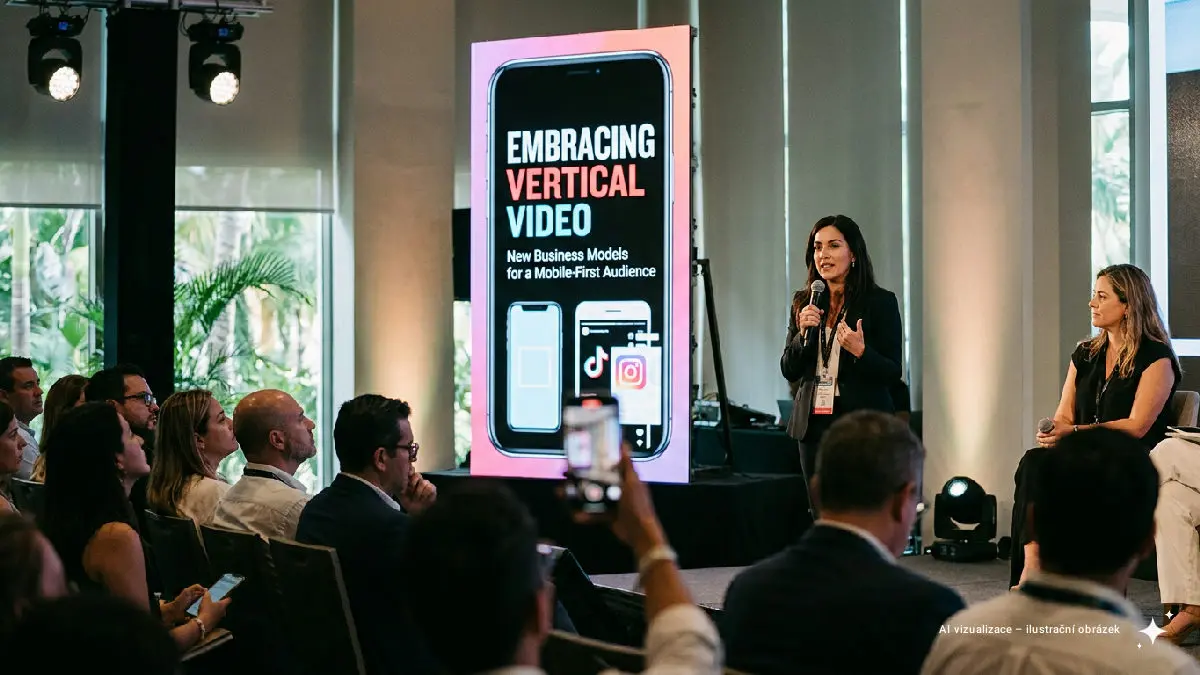
Organizers of the upcoming MIP Cancun media market, which will take place from November 17 to 20, 2026 at Mexico's Moon Palace resort, have unveiled the main thematic pillars of the program. This year's gathering of key players in the television and digital market will primarily focus on vertical video, social networks, and the transformation of existing business models within the context of the creator economy.
Among the confirmed speakers who have joined the program are prominent names from global technology and media platforms. Juan Pablo Robert, who leads media and entertainment at YouTube for Hispanic Latin America, Claudine Bayma, CEO of Kuaishou Technology, and Ariel Arrieta, co-founder and chairman of Shorta, have confirmed their participation.
The future of content and new formats
The main discussions will revolve around the changing dynamics of the media industry, both regionally and globally. Experts will analyze the growing importance of short-form and vertical video, which dominates current content consumption on mobile devices. A significant part of the debate will also cover building fan communities (fandom) and ways to effectively monetize these relationships within new digital ecosystems.
“MIP Cancun is a market where new business models, innovative formats, and strategic partnerships converge, shaping the future of content in Latin America and the US Hispanic market,” said event director Maria Pérez-Bellière.
Key dates for attendees
The event serves as a platform for connecting producers, distributors, and technology innovators. In addition to expert panels, it offers opportunities for forging partnerships before new trends become mainstream. For those interested in attending the fair, discounted registration conditions are currently available:
- Early Bird registration closes on July 31.
- The main program runs for four days at the Moon Palace Resort.
- Focus on the Latin American market and the Spanish-speaking audience in the USA.
The participation of leaders from platforms such as YouTube and Kuaishou confirms the growing influence of social video on the traditional television business and the need for traditional media houses to adapt to new distribution channels.