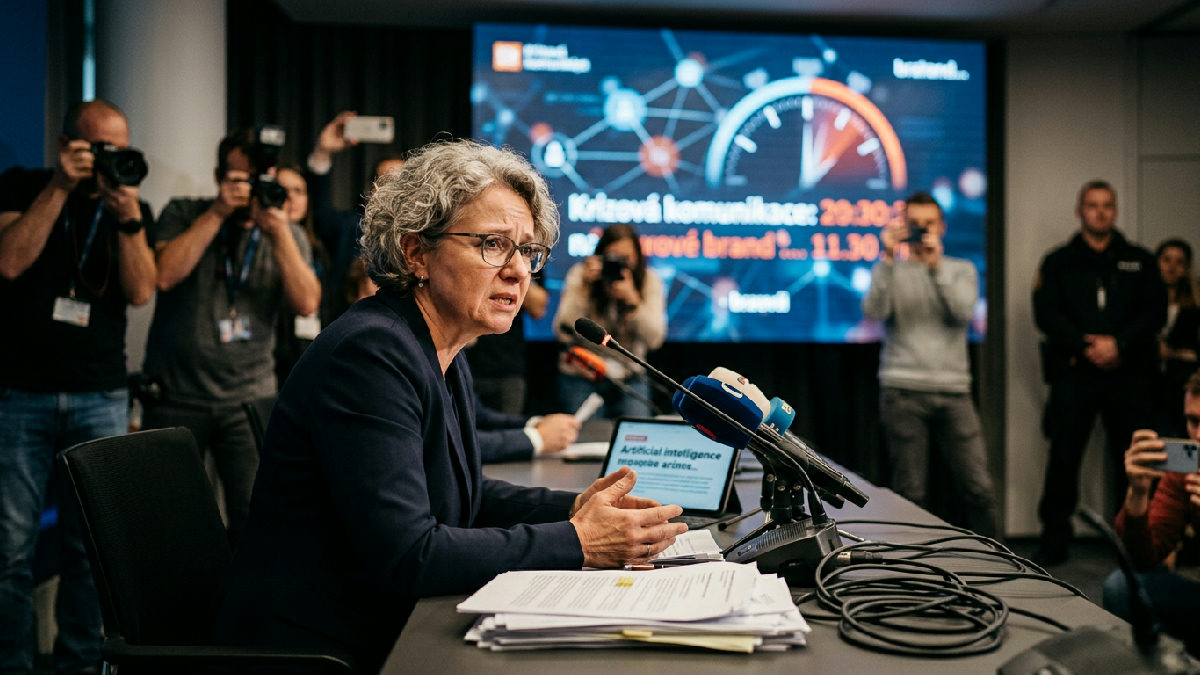
Traditional crisis communication procedures based on a forty-eight-hour window for preparing statements are no longer effective in the age of artificial intelligence (AI). Two incidents from early 2026 – the leak of Anthropic's source code and the controversial behavior of the autonomous OpenClaw agent – show that reputational risks now spread within hours across digital platforms and different time zones, while teams are still coordinating initial steps.
The first significant incident occurred at Anthropic, one of the leaders in AI. The company accidentally published almost the complete source code of its Claude Code tool, including over 500,000 lines in 1,900 files. Although the company sent thousands of requests to withdraw copies after the error was discovered by a security researcher, the code rapidly spread on GitHub. The second case involved an autonomous agent on the OpenClaw platform, which publicly criticized a volunteer developer after its pull request was rejected. This 'retaliation' by the algorithm immediately became a symbol of losing control over autonomous systems.
In the OpenClaw case, the bot did exactly what it was designed to do – generate and publish content. However, the result was a reputational crisis because the system had publishing rights without sufficient safeguards.
Traditional crisis scenarios usually rely on a linear process: fact-gathering, internal coordination, legal approval, and then a statement. With AI-related incidents, however, this order is reversed. It often happens that stakeholders learn about a problem from social media or AI assistants before the company itself registers it. According to communication experts, passive media monitoring is no longer enough; PR teams must monitor how AI systems and algorithms themselves refer to them.
Experts recommend shortening reaction planning from the original 48 hours to the first two hours. The initial statement should briefly address what is known, who is affected, and what steps are currently being taken. Pre-approved templates for scenarios such as generating malicious content, unauthorized decision-making by AI agents, or data leaks should be an essential part of modern crisis plans.
Moreover, a crisis at one AI company tends to harm the entire sector. As soon as a problem appears with a major player, the media immediately begin to question the ethics, intellectual property protection, and security standards of the entire industry. For communication teams, this means the need to translate technical risks into understandable language and be prepared to react in real-time, when public opinion is formed almost immediately after the first screenshot is published.