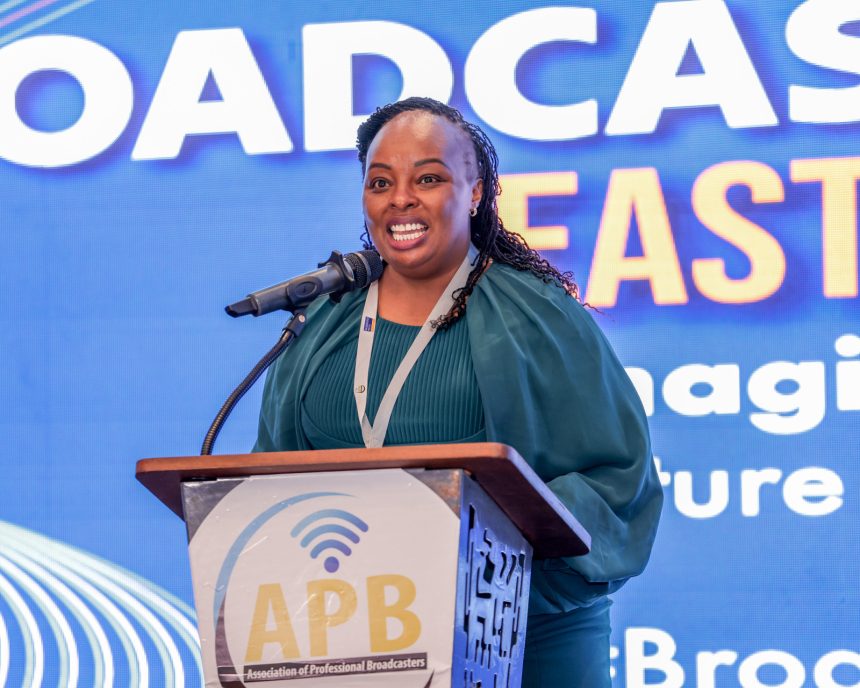
Agnes Kalekye, Managing Director of the Kenyan public broadcaster Kenya Broadcasting Corporation (KBC), spoke at the Africa Broadcasters conference in Nairobi, calling for a transformation of African broadcasting. According to Kalekye, African broadcasters must prioritize innovation and open discussion about technologies such as artificial intelligence (AI) and OTT platforms to ensure their future sustainability in the global market.
A key theme of the speech was the role of artificial intelligence, which must not simply be imported into Africa. Kalekye emphasized that for effective operation in the region, AI must reflect local realities, languages, and cultural specifics. According to her, it is essential for Africa to actively participate in the development and training of these technologies.
“Artificial intelligence represents another significant shift in broadcasting. At KBC, we do not view it as a threat, but as an opportunity for leadership. Our goal is to become a public service broadcaster prioritizing the digital sphere and AI support, balancing innovation with inclusion and technology with trust,” stated Agnes Kalekye.
The director also openly admitted that KBC has not yet launched a full-fledged OTT platform (a service for streaming content over the internet). In this context, she called for an honest discussion about issues related to content monetization, migration to the cloud, and digital stability. As inspiring examples, she mentioned media groups Nation Media Group and Royal Media Services, as well as Nigerian projects iROKOtv and Africa Magic. These, she said, proved that local stories can build a mass audience without having to imitate Hollywood.
Within its technical infrastructure, KBC currently operates the Signet platform, which supports over 70 television and radio stations through more than 40 transmission sites. The broadcaster is also focusing on deploying Digital Audio Broadcasting Plus (DAB+) technology in cooperation with the Kenyan Communications Authority.
“This transition helps address frequency congestion in major cities while creating space for more broadcasters and more diverse content. We are no longer just preparing for the future; we are already living in it,” the director added.
As a model for the future, Kalekye also mentioned the South African hybrid models of MultiChoice and Showmax, which demonstrate that classic linear television broadcasting and internet platforms can coexist and complement each other.