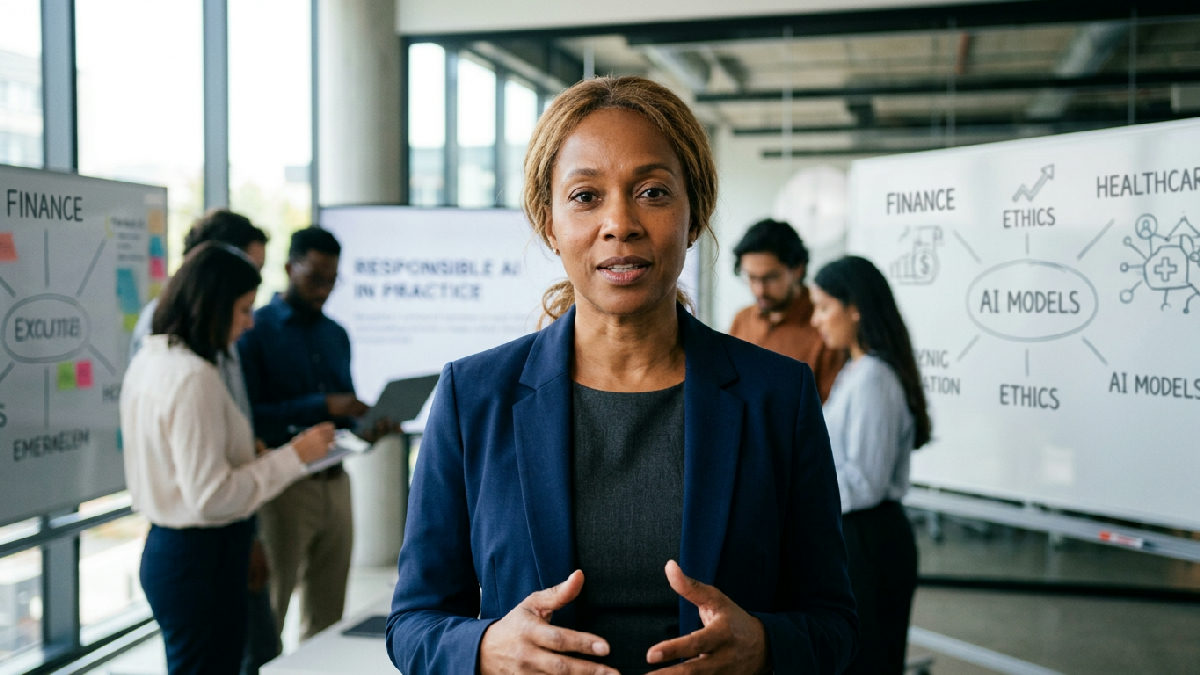
A computer science degree isn't the only path to a successful career in artificial intelligence. Diya Wynn, Director of Responsible AI at Amazon Web Services (AWS), points out that the job market is changing and technology is permeating all conceivable industries. According to the expert with twenty-five years of experience in the field, domain expertise combined with basic technological literacy is key for the future.
Connecting Sector Expertise and Technology
The main pillar of AI development is no longer just programming itself, but the ability to apply algorithms in specific professions. Artificial intelligence requires specialists who deeply understand the specific needs of a given segment. According to Wynn, the most important innovations are happening at the intersection of AI and knowledge in these areas:
- Healthcare and medicine,
- Law and legislation,
- Education and pedagogy,
- Finance and insurance,
- Creative industries and communication.
Wynn recommends that people do not try to abandon their existing professional focus, but rather look for ways to integrate new tools into it.
“You don't leave behind what you already know. You bring it with you and let it be the lens through which you view AI,”explains the director, outlining a strategy to remain competitive in the job market. It is the combination of industry knowledge and understanding how systems work that is currently the most sought-after skill.
Responsibility as an Innovation Driver
The debate about artificial intelligence is often divided into camps of rapid progress advocates and regulation advocates. Wynn, one of the influential figures in corporate AI, however, rejects the conflict between these approaches. According to her, a responsible approach does not hinder innovation but rather enables its long-term sustainability and public acceptance. While technical development focuses on the possibilities of technology, the ethical dimension must address its impact on people's rights and well-being.
As an example of effective development, she cites smaller language models, which are currently gaining ground, for instance, in Africa. These systems do not require massive infrastructure or extreme computational resources, yet they can effectively help in regions with limited resources. This trend proves that the future does not belong only to the largest corporations, but to smart solutions tailored to specific conditions. Wynn will present her vision on risk management and technology governance on July 22nd at the AI Communications Conference.