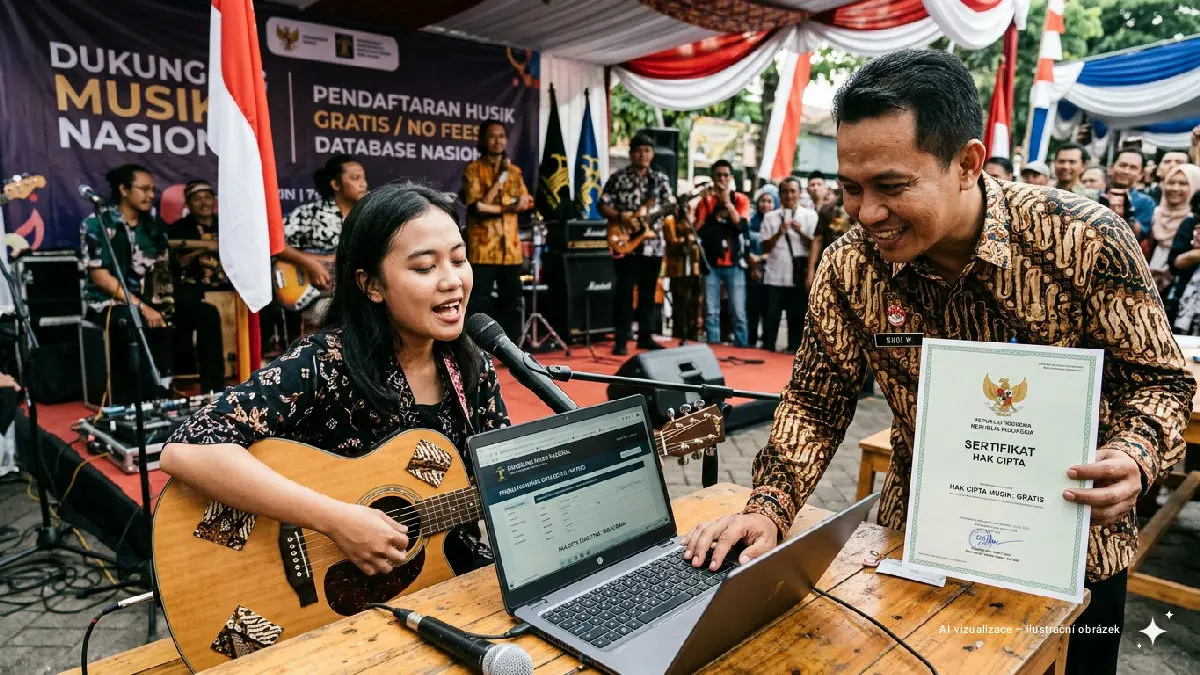
The Indonesian government has decided on a radical step to support the domestic music scene and digitize copyright administration. The Ministry of Law and Human Rights announced the complete abolition of fees for the registration of copyrights for songs and musical works. The aim of this measure is to motivate authors to officially register their creations, which should lead to the creation of a comprehensive national music database.
Previous administrative processes and financial costs associated with registration often deterred independent artists from legally securing their works. The new system is designed to remove this barrier effect and ensure that state authorities have an accurate overview of intellectual property ownership in the country. This initiative is part of a broader government plan to modernize the creative industry and improve transparency in the payment of royalties.
Building a National Data Repository
A key pillar of this change is the establishment of the National Music Data Center. This institution will serve as a central hub for information on musical works, facilitating the work of not only authorities but also collective management organizations. According to ministry representatives, accurate record-keeping is an essential prerequisite for the fair distribution of royalties from digital platforms and public performances.
“Free registration is the first step towards getting as many authors as possible into the system and creating a robust database that will serve as a single source of truth for the music industry in Indonesia,” states the government report.
Benefits for Artists and Industry
The introduction of a zero fee is expected to bring several strategic advantages to the local market:
- Increased legal certainty for authors in authorship disputes.
- More efficient data collection for the needs of digital distribution.
- Accelerated registration process thanks to the new online portal.
- Better position for Indonesian music on the international market through standardized metadata.
Experts expect this step to lead to a sharp increase in the number of registered works, which could move Indonesia among regional leaders in digital rights management. The government also plans to integrate the database with payment systems to make the process of accounting for music usage fees fully automated and immune to errors currently arising from incomplete records.