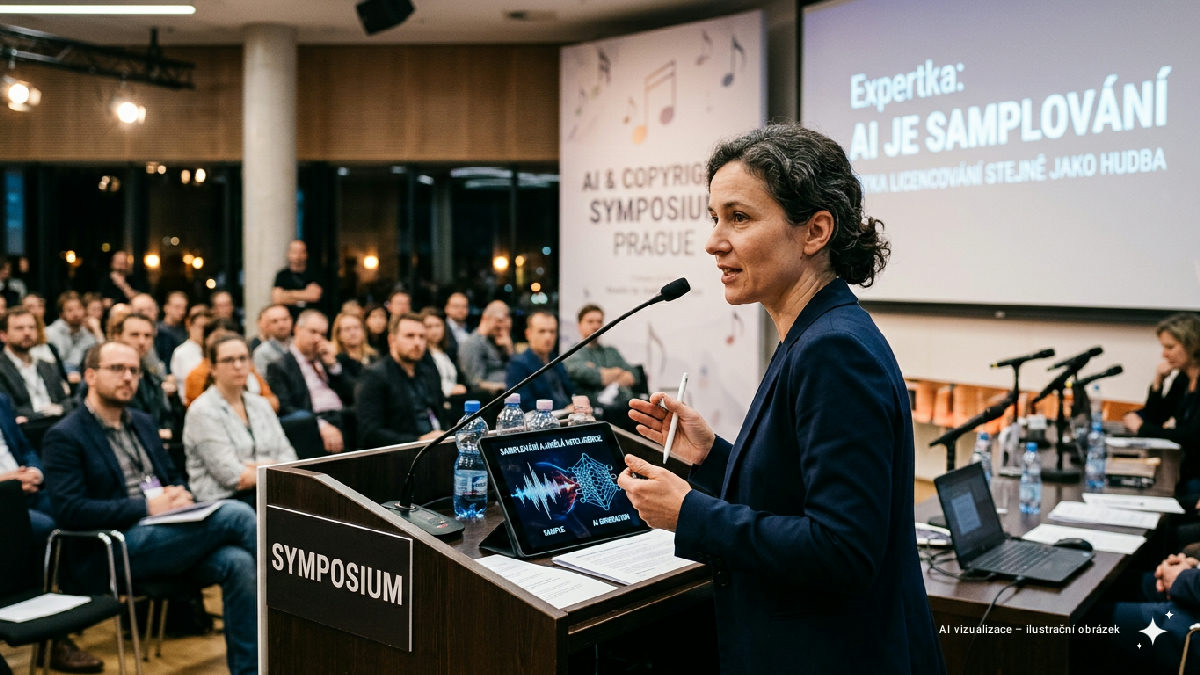
Generative artificial intelligence in music is, in fact, a modern form of sampling. This is according to Deborah Mannis-Gardner, president of DMG Clearances, a company that has specialized in clearing music sample licenses for over three decades. According to her, the industry should stop debating the legal loophole of fair use and start applying proven mechanisms to AI, which have worked for decades in borrowing parts of other people's songs.
Mannis-Gardner argues that artificial intelligence can never create something entirely new. It can only rearrange existing data provided to it during training. In the case of music, these are digital files, based on which AI generates outputs. These are then inextricably linked to the original material, much like when a hip-hop producer uses a fragment of an old recording for a new beat.
Lessons from History: From Theft to Art
The expert recalls that in the early 1990s, sampling was perceived as theft. Only the creation of a functional licensing framework turned it into a legitimate art form. As examples of crucial sample usage, she cites famous hits:
- Hard Knock Life by Jay-Z (uses the musical Annie),
- Paper Planes by M.I.A. (built on a sample from The Clash).
Without these licensed foundations, these songs would lose their identity. According to Mannis-Gardner, AI-generated music can achieve the same level of recognition if technology companies stop fighting against licensing fees. Companies like Suno or Udio, which currently face lawsuits, should, in her opinion, adopt a transparent system for compensating rights holders.
The Problem of Identifying Contribution
The main difference between classic sampling and AI models lies in the technical difficulty of determining contribution. With a regular sample, it is clear who the author is and how many seconds of the recording were used. With AI, determining the extent of influence of a specific track on the final output is more complex. Nevertheless, services like Tracklib or SourceAudio already exist, showing the way to simplified licensing at standard prices.
“Sampling is now considered an art form. AI music can get to the same place, but its proponents must abandon the fair use argument and embrace licensing.”
According to Mannis-Gardner, the resistance of technology companies to paying for training data is the main reason why a solution is constantly delayed. Once the technical aspect of tracking inputs is resolved, she believes it will open up an exciting era of creative possibilities for musicians, where they will have legally cleared models available for creating entirely new genres.