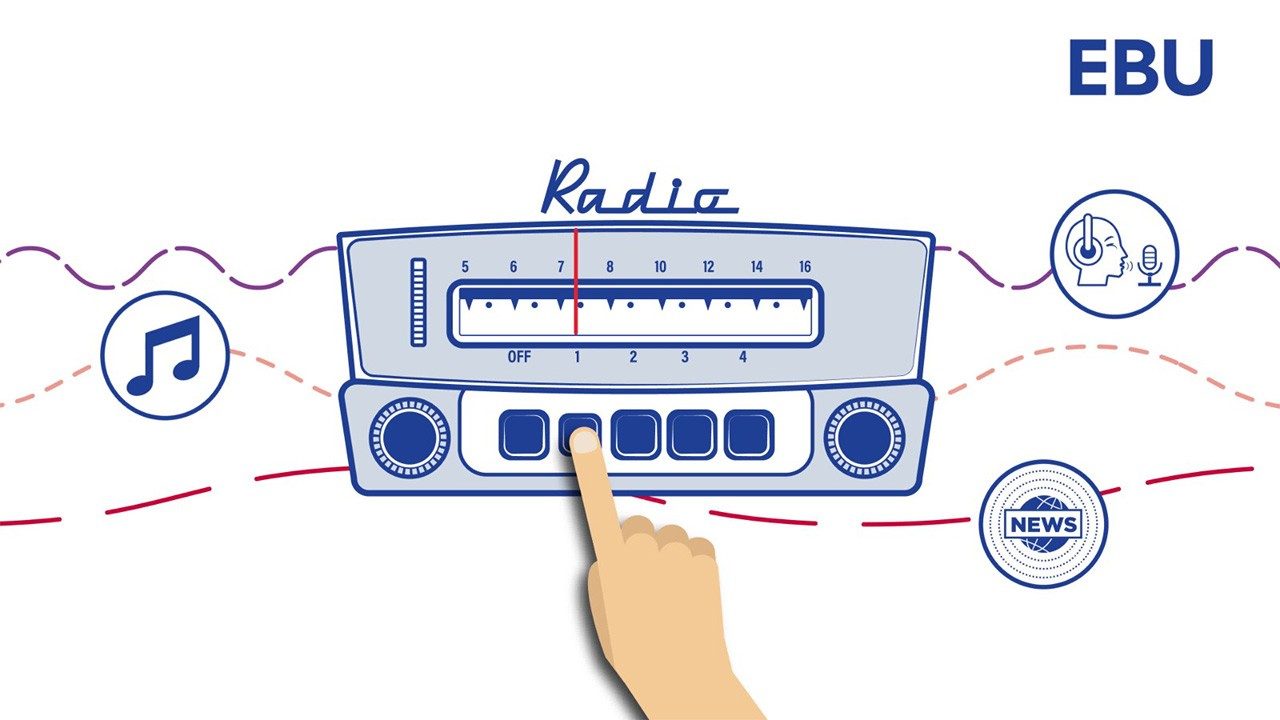
The European Broadcasting Union (EBU) is stepping up its efforts to protect radio broadcasting within the framework of impending EU legislation. A key requirement is the mandatory integration of radio receivers into all new cars sold on the European Union market. This topic has become a central point of discussion concerning the new Digital Networks Act (DNA), which aims to unify fragmented rules for telecommunications and digital infrastructure in Europe from 2027.
According to Alessandro Gisotti, the Vatican media representative to the EBU and chairman of the Radio and Audio News Group, preserving radio accessibility is essential for a democratic system. Radio broadcasting, he says, remains the most trusted medium among European citizens. “Radio must be protected as a bulwark of information plurality,” Gisotti stated, adding that new legislation must not sacrifice the role of radio in the digital age.
Through its “Radio Ready” initiative, the EBU advocates for car manufacturers to be legally obliged to equip vehicles with receivers for analog and digital terrestrial broadcasting (FM and DAB/DAB+). This requirement reflects the varying technical levels in individual member states, with some countries still relying on FM waves, while others are fully transitioning to the DAB+ format.
“Cars are where radio is listened to most often. Almost 60% of listening in Europe takes place while traveling,” Gisotti points out.
The EBU's argumentation also relies on road safety. Integrated radio allows drivers to receive traffic information and news without having to manipulate smartphones, which are a frequent cause of accidents. Furthermore, radio plays an indispensable role in crisis situations, such as armed conflicts or widespread power outages, when it remains the only functional source of information.
Discussions on the Digital Networks Act will continue in the coming months at the level of the European Commission, Parliament, and the EU Council. In addition to public broadcasters, telecommunications operators and technology giants are also participating in the debate, as the adopted rules will affect the form of news content that Europeans will consume in the coming years.