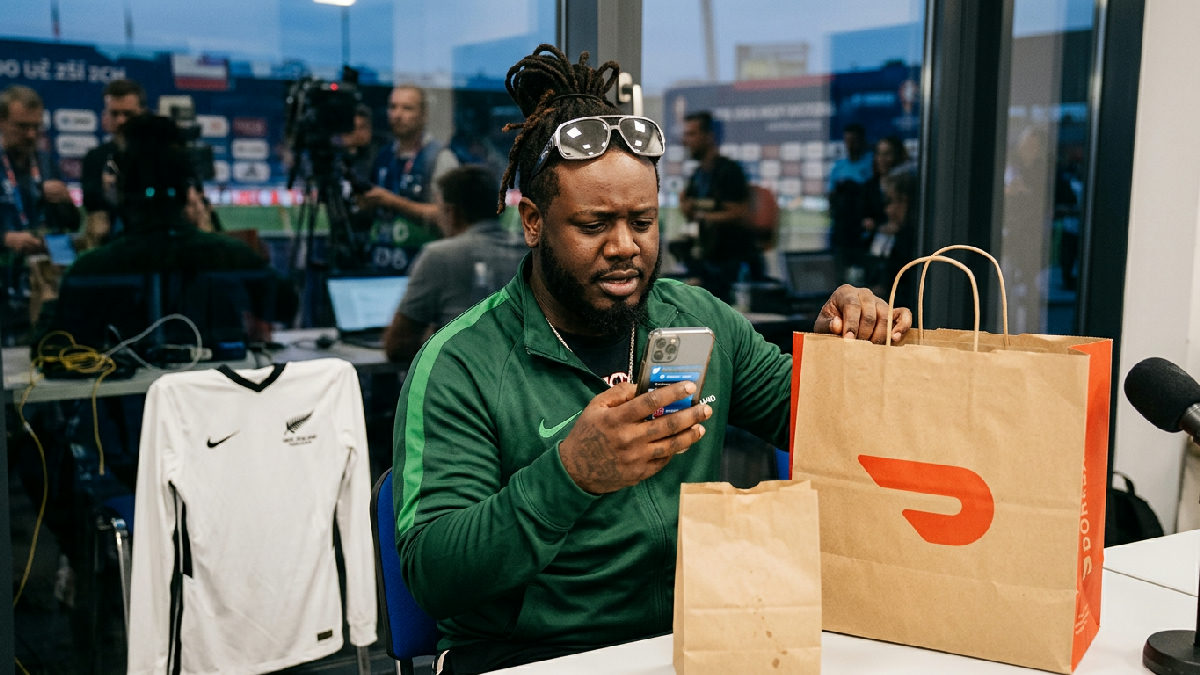
DoorDash is facing criticism for its latest marketing campaign launched during the World Cup. The company repeatedly tagged American rapper T-Pain in social media posts in the context of the New Zealand national team. Fans assumed it was an administrative error and a mix-up with defender Tim Payne's name, but the reality was different.
The situation escalated when the musician himself reacted to the post "Egypt has pyramids. New Zealand has @TPAIN," with apparent frustration. In his replies, he wondered who the company was trying to tag, emphasizing that he doesn't play football at all. It later turned out that these interactions were not accidental, but a paid partnership between the artist and the brand.
Strategy based on mystification
DoorDash representatives confirmed in their official statement that the entire action was planned in advance. The goal was to capitalize on fan enthusiasm and the similarity of the two personalities' names. According to the company's statement, they noticed that Tim Payne is a favorite among New Zealand fans and decided to use this connection with the popular musician for a global campaign.
“Our goal during the World Cup is to be present and support the fan frenzy while fans focus on what is most important to them,” the company said in a statement.
Despite efforts for viral reach, the campaign drew negative emotions from some segments of the public. Many users felt deceived by the fact that what appeared to be a humorous mistake was actually a formal business relationship. Instead of the campaign content, the discussion turned to the ethics of social media marketing.
Legal repercussions and unlabeled advertising
In addition to the ethical aspect, doubts about compliance with legal standards also arose. The Verge reported that the campaign might violate the rules of the US Federal Trade Commission (FTC). The FTC strictly requires that every paid partnership be clearly labeled as advertising, which did not happen in the initial phase of this campaign.
- Insufficient transparency of paid content on X and Instagram.
- Intervention of community notes on posts that clarify the context.
- Risk of damaging brand credibility among customers sensitive to hidden advertising.
The fact that users themselves began adding explanatory notes about sponsorship to some posts did not help to rectify the situation. The entire incident raises a broader question of where the line lies between creative marketing and consumer deception in the digital environment.