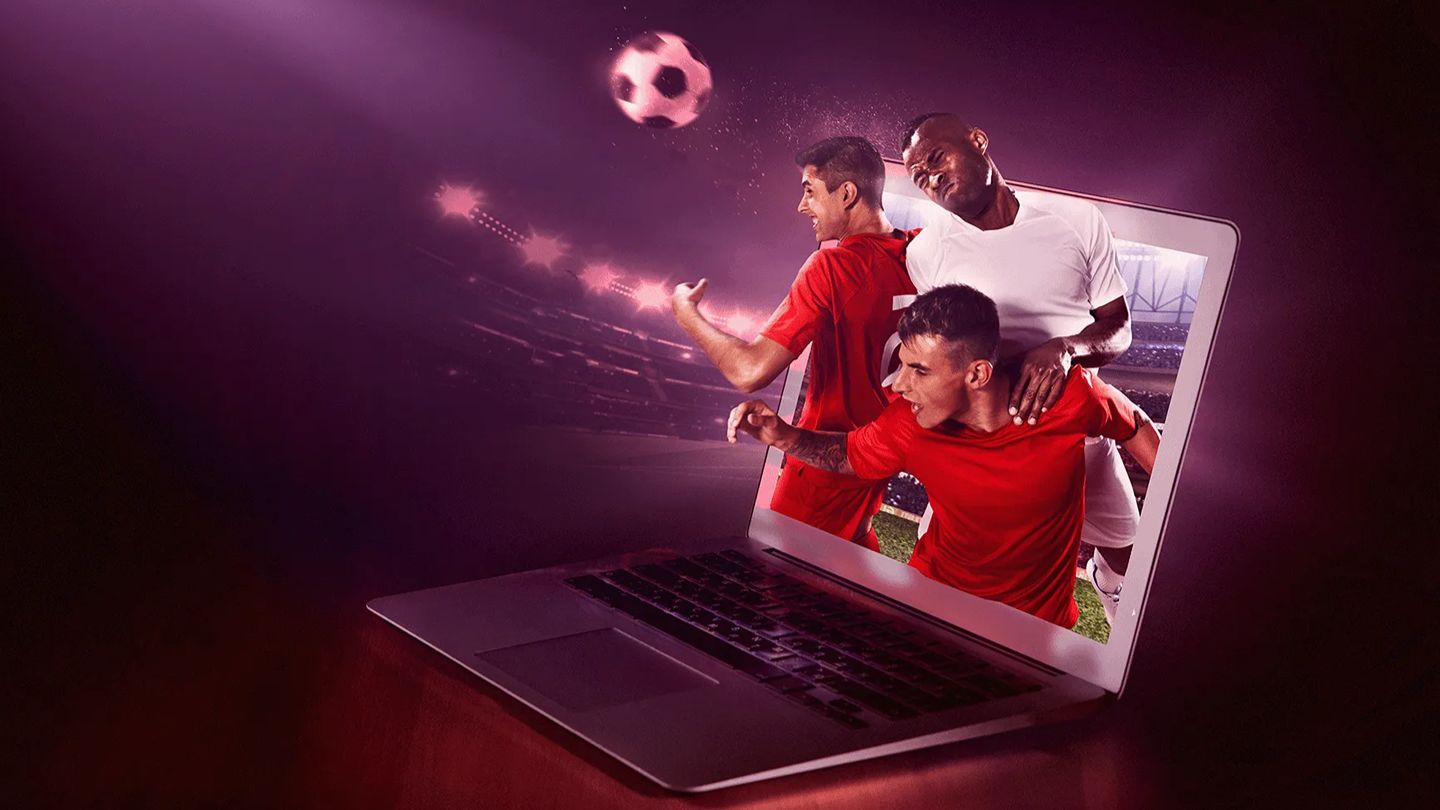
Six months ago, it was just a whiteboard sketch in an office; today, it's a functioning technology that can fundamentally change how we watch sports broadcasts. The project, named Delta Protocol, presented at the IBC2026 technology fair in Amsterdam, abandons the traditional method of sending pixels and replaces it with the transmission of the 'meaning' of the image itself. Behind this ambitious initiative are Sandeep Tiku, CTO of the DAZN group, and a number of key partners from the media and technology sectors.
While classic video distribution relies on encoding and decoding every single point on the screen, Delta Protocol uses artificial intelligence to understand the scene in real time. Instead of bulky data streams, it transmits only instructions about what is happening on the field – from player movements to emotions in the stands and current weather. This approach promises a radical reduction in bandwidth requirements, minimal latency, and the practical elimination of piracy.
Delta Protocol transforms video distribution from sending pixels to an architecture of pure intelligence and scene meaning transmission.
End of the era of brute force in broadcasts
According to Sandeep Tiku, live sports have been delivered through “brute force” for 30 years, with every pixel encoded and distributed worldwide. However, this model is now collapsing under its own weight. Pressure on infrastructure, rising costs of CDN networks, and constant demands for format standardization mean that the existing system is reaching its limits. Delta Protocol aims to break these barriers by defining a live event as a set of scene instructions.
The core of the entire solution is a real-time scene understanding layer. It analyzes the broadcast and creates compact, structured descriptions of changes. These so-called delta instructions are synchronized with video frames and delivered to the end device, which then locally renders the resulting experience. This shifts from an “AI around pixels” model to an “AI within the distribution chain” model.
Technological partnership and real-time challenges
The development of such a complex system required cooperation from leading technology players. Each partner brought specific technology to address particular parts of the chain, from image analysis to data synchronization.
Key technological partners involved in the Delta Protocol project include:
- V-Nova — a company providing alternative data sources for subsequent AI analysis.
- Google Cloud and NeoViews — suppliers of tools for deeper understanding of individual scene content.
- Eluv.io — technology ensuring precise synchronization of video with an intelligent data track.
One of the biggest challenges for developers was teaching the system to distinguish between important and unimportant changes in the image. While conventional video compression reacts to any pixel movement, Delta Protocol had to understand the context. A running player might be “noise” from a broadcast perspective, but a scored goal or a sudden storm over the stadium are key signals that the end device must prioritize processing.
The project aims to create a model where piracy is practically impossible due to the transmission structure.
Hyper-personalization as the new standard
Today's personalization, according to Tiku, is merely an illusion, where graphics are simply “stitched” onto a universal stream in central production. Delta Protocol, however, allows each device to tailor the experience to a specific viewer. Contextual layers, personalized moments, and image enhancements occur directly on the mobile phone or TV based on the received instructions, not by repeated re-encoding of the entire video for different variants.
“A once-in-a-lifetime shot to reshape TV”
During the demonstration at IBC2026 in Amsterdam, the technology is presented with a football match. The entire chain includes receiving the live signal, generating instructions, and displaying them via a special SDK for client overlays. Visitors can observe in a live control center how two different devices create a unique viewing experience from the same data source.
Future without traditional video
The long-term vision of the project is even more radical. In the future, the purely visual path of video could become entirely optional. The end device, with the help of neural networks, would reconstruct the entire experience solely based on the semantic track. This would mean unprecedented data savings and efficiency unimaginable in the current era of streaming.
The Delta Protocol project is backed by significant “champions” from broadcasters and professional organizations:
- DAZN Group — the main technological driver and strategy implementer.
- EBU and RAI — European broadcasters testing the impacts on public service media.
- IET, SMPTE, and SBA — industry organizations and the Saudi Broadcasting Authority overseeing standardization.
Currently, the system is in the functional proof-of-concept phase. The next step will be iteration based on real sports content and the gradual integration of more powerful AI models on the end-device side. Delta Protocol thus does not just solve how to speed up current streaming but defines a new generation of intelligent broadcasting for the age of artificial intelligence.