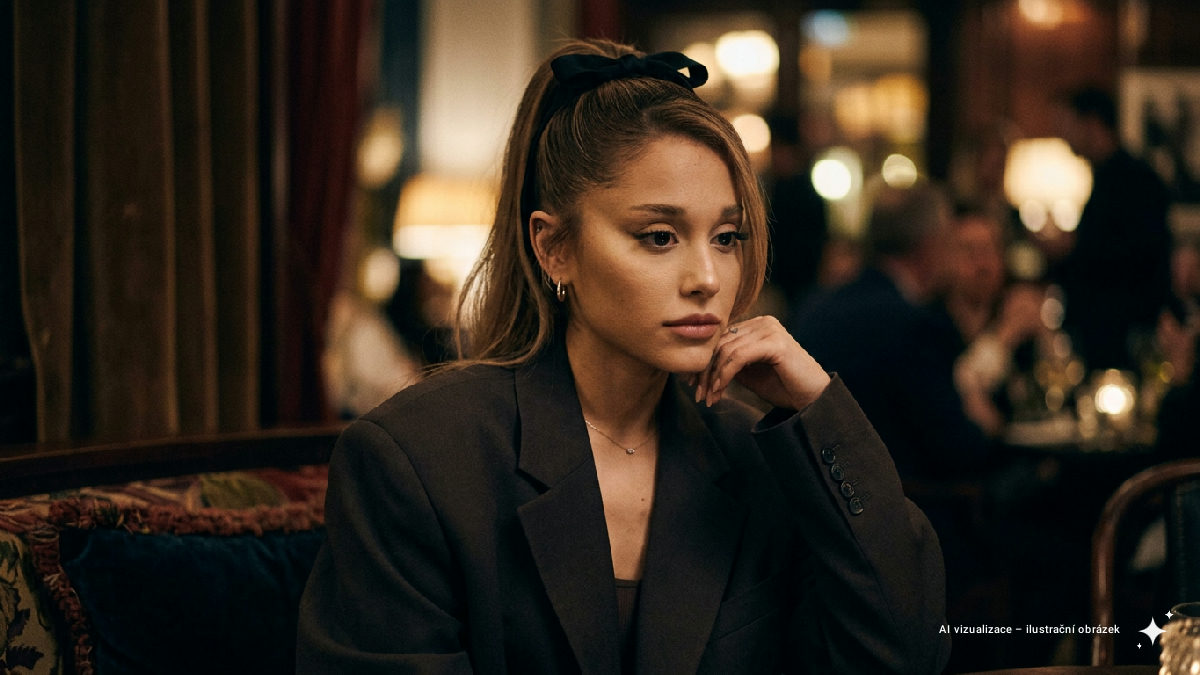
American singer Ariana Grande has taken legal action against a group of unknown hackers who, according to her lawyers, stole a vast amount of unreleased material. The lawsuit filed in Los Angeles Superior Court accuses the perpetrators of stealing songs, videos, and photos, which they then sold on the dark web. The documentation identifies the defendants under the collective designation "John Doe", which will allow the singer to legally uncover their true identities through subpoenas to internet service providers.
According to court filings, the hackers did not directly attack the singer but targeted her collaborators. The digital accounts and phones of photographers and producers became targets. The most serious leaks occurred in 2023, when 45 unreleased tracks were stolen. However, the problems run deeper into the past; the lawsuit mentions the first incidents from 2019, when a Dropbox account was breached, and continues through 2020 up to a sophisticated phishing attack in 2024.
Economic Impacts and Production Changes
Leaks of unfinished works, such as the tracks "Fantasize" or "White Tee," had direct professional consequences for the artist. The lawsuit states that she was forced to spend significant resources on data security and investigating the leaks. The infringement of copyright was so significant that the singer had to take radical steps within her creative process.
"Grande was forced to re-record materials and adjust the release dates of her upcoming projects to protect her artwork and professional integrity," the court complaint states.
The perpetrators used anonymous corners of the internet to sell stolen data and accepted payments through common services like PayPal or CashApp. Ariana Grande is not the only victim of such attacks in the music industry. A similar case was resolved in 2022 in Britain, where a hacker was sentenced to 18 months in prison for stealing music from Ed Sheeran and dozens of other artists.
Chronology of Main Attacks:
- 2019: Theft of a photographer's Dropbox login credentials and leak of private photos.
- 2020: Producer's phone hacked, theft of demo versions and master recordings.
- 2023: Massive leak of 45 unreleased songs sold in bundles on the dark web.
- 2024: Phishing scam using a fake email address to deceive technical staff.
The lawsuit was filed just days before the release of her eighth studio album. Grande, who releases under Republic Records, is trying to stop the long-term parasitism on her brand, which, according to the documentation, has been ongoing in various forms since 2011.